
When choosing a roofing material, homeowners today look beyond aesthetics and durability – environmental impact has become just as important. DaVinci composite tiles offer a modern alternative to natural materials such as cedar shakes or slate tiles. They combine timeless beauty with exceptional strength while reducing the overall environmental footprint. In this article, we’ll explore whether DaVinci composite tiles can truly be considered an eco-friendly roofing option.
Table of Contents
What Are DaVinci Composite Tiles?
DaVinci composite tiles are modern roofing materials tiles, created in order to replicate the look of natural cedar wood and slate, but being affordable and durable at the same time.
To combine durability and aesthetic appeal, manufacturers of DaVinci Tiles use high-quality polymer resins, known as virgin resins, which prevent cracking, fading, and warping over time. Additional UV and thermal stabilizers protect the tiles from sun exposure and temperature extremes. Unlike natural materials such asphalt shingles or wood shingles, DaVinci tiles require no regular maintenance or sealing. In addition, synthetic tiles of this type resist moisture absorption and mold growth, ensuring that the roof maintains its attractive, long-lasting appearance for decades.
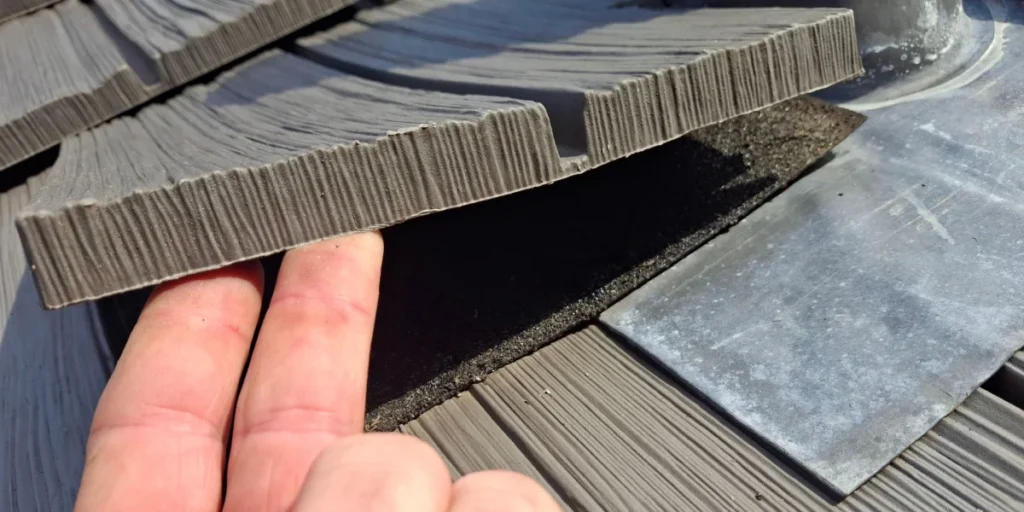
Thanks to these qualities, a DaVinci roof retains both its beauty and full functionality in virtually any weather conditions. For this reason we have to admit that in most of the cases, you will be more satisfied with a DaVinci synthetic roof than from the natural one.
Material and Production Process
DaVinci composite tiles are made from a blend of high-quality engineering polymers, color pigments, and protective additives. The manufacturer uses virgin resins – pure synthetic materials that ensure consistent quality and long-term durability. As a result, the tiles maintain their strength and appearance even after many years of exposure.
During production, UV and thermal stabilizers are added to protect the surface from sunlight and temperature fluctuations. Fire retardants further enhance resistance to heat and flames. Compared to other roofing brands, DaVinci roof tiles stand out for their superior UV protection and longer manufacturer warranty.
Thanks to advanced production technology, each tile is precisely molded to maintain its shape and color over time. This precision guarantees a watertight, visually appealing roof that withstands strong winds, impact, and changing weather conditions. The long service life of DaVinci roofing reduces the need for frequent replacements, minimizing construction waste and supporting more environmentally responsible building practices.
Let’s get things straight – DaVinci tiles and shakes are made of plastic. Some people may call it “polymers” or “resins”, but at the end of the day, all of the roof coatings produced by this company are non-organic and non biodegradable. Environmentally aware homeowners may get sceptic at this moment, but the reality is slightly different that you may think.
Are DaVinci Tiles Recyclable?
It might be shocking a little bit, but they are. Both tiles and the production leftovers are 100% recyclable, DaVinci sais. Even though most of their shakes haven’t even passed 50% of their lifespan (which is theoretically 50 years), DaVinci has already created the system of used shake disposal:
- Waste from a job site can be returned to Lenexa, KS. The cutting are recycled, but the DaVinci roofscapes contractor needs to inform the sales rep about it prior the job. If you are located within 500 miles radius of Lenexa, DaVinci will pick it up for you without charging you anything. Contractors located further need to pay for the shipping.
- Tile disposal after product’s lifetime will be also possible. DaVinci declares that if only the tiles are clean of nails and any other accessories (underlayment, ice and water shield, snow guards), they will be disposed free of charge, if job site is located within 500 miles of Lenexa.
Such a policy looks absolutely great, but we truly don’t think that DaVinci will really need to worry about returns – contractors and homeowners hardly ever know that it’s possible.
Be aware, too, that the DaVinci tiles are made of virgin resins, which means that the leftovers and disposed tiles are not recycled into the new products. The manufacturer decided to do that in order to achieve better durability, production repeatability and consistent quality. As a result, the recycling process does not affect the carbon footprint of newly produced tiles.
Does The Long Lifespan Make DaVinci Synthetic Tiles Environmentally Friendly?
As a matter of fact, the longer is the lifespan of any building material, the lower is the CO2 emission per year. On the other hand, to achieve a good durability, producers of roof coatings need to use tons of chemicals and lot’s of energy. Unfortunately we haven’t found any research with figures describing that problem, so all we can do is assume, that probably, the long lifespan of DaVinci Tiles makes them more environmentally friendly than asphalt shingles, but also it’s very unlikely that they are better than natural cedar shakes or slate tiles at this field.
Environmental Benefits of DaVinci Composite Tiles
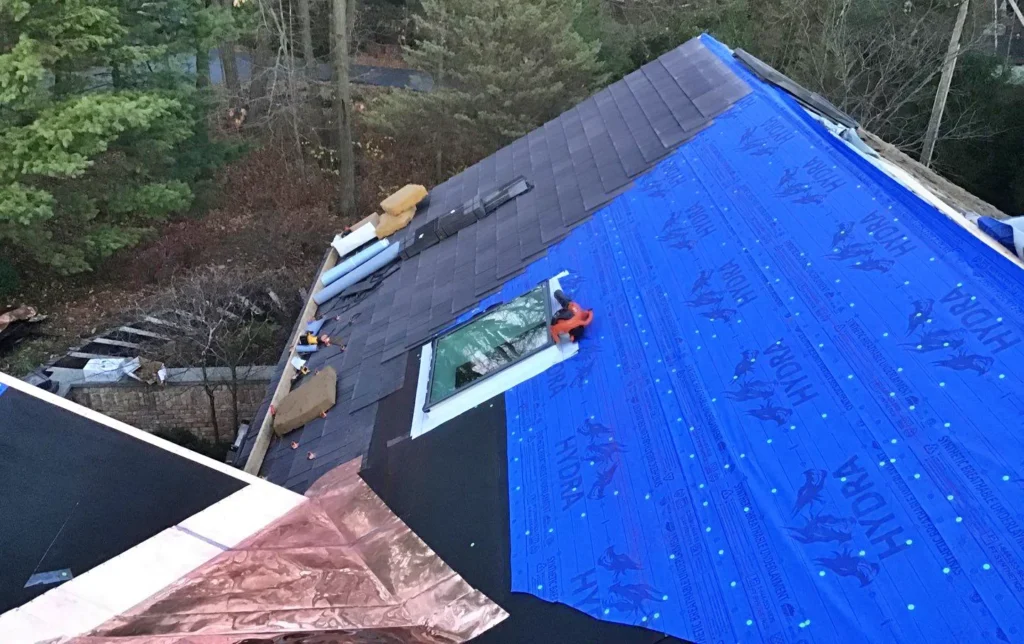
DaVinci composite tiles offer several features that make them a more environmentally responsible choice. Their greatest advantage is durability — the tiles retain their strength and appearance for decades, reducing the need for frequent repairs and minimizing construction waste. This longevity aligns perfectly with the concept of an eco-friendly roof, where material lifespan plays a key role in sustainable building design.
The company also states that its products are recyclable. Any waste generated during production is reused within the manufacturing process, helping to reduce excess material and landfill waste. In addition, DaVinci offers energy-efficient roof tiles designed to meet the cool roofs standards promoted by the U.S. Department of Energy. These roofs reflect more sunlight, helping to lower indoor temperatures and reduce electricity consumption for cooling.
The Environmental Limits of DaVinci Composite Tiles
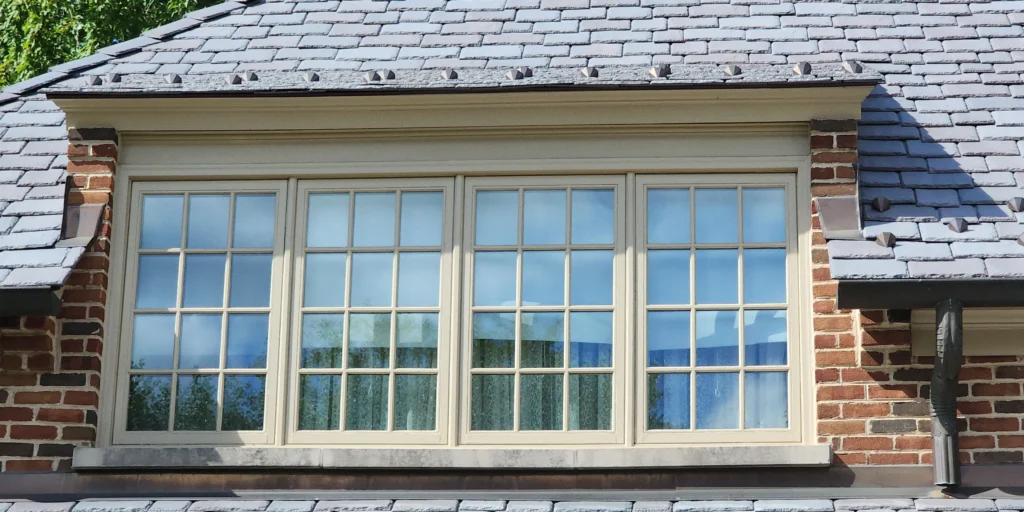
Despite their many advantages, DaVinci composite tiles are not entirely free of environmental impact. Their production relies on virgin resins — pure polymers that are not derived from recycled materials, but usually an oil. As a result, manufacturing requires the use of new raw resources.
While the finished tiles are recyclable, this alone does not eliminate their overall environmental footprint. When compared to natural materials such as slate, the main difference lies in the source of the material — slate is a naturally occurring stone, whereas DaVinci products are made from engineered synthetic compounds.
DaVinci vs. Other Roofing Materials – An Environmental Comparison
The choice of roofing material affects not only a building’s appearance but also its environmental footprint. Each option differs in how it’s sourced, how long it lasts, and how easily it can be recycled.
When compared to slate roofs, DaVinci composite tiles offer a similar elegant appearance but are much lighter and less expensive to install. Natural slate is known for its durability, yet the process of mining and transporting it has a significant environmental impact. Synthetic alternatives achieve the same refined look while reducing resource extraction and the carbon cost associated with transportation.
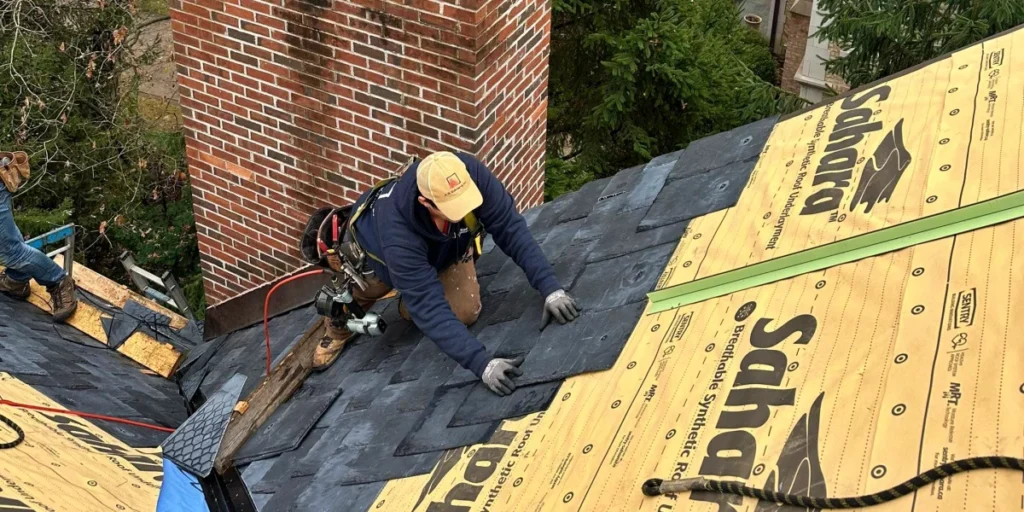
Cedar roofs are valued for their natural beauty and timeless character. However, wood requires regular maintenance and treatment with chemical preservatives to prevent decay and weathering. Cedar shakes, while natural, demand more upkeep and more frequent replacement. DaVinci tiles eliminate these issues, maintaining their appearance without the need for sealants or chemical treatments.
In comparison to asphalt shingles, DaVinci composite tiles offer far greater longevity and a smaller environmental footprint. Asphalt shingles are affordable and widely used, but they rely on petroleum-based materials and are difficult to recycle. After their service life ends, they most often end up in landfills. DaVinci tiles, on the other hand, can be fully recycled — a major advantage from an ecological perspective.
From an environmental standpoint, DaVinci tiles occupy a middle ground — they are more eco-friendly than asphalt roofs but less natural than slate or cedar. Their greatest advantage lies in their long lifespan, which reduces the need for raw materials and lowers waste production throughout the building’s lifetime.
Practical Benefits of Eco-Friendly Roofing
Choosing an eco-friendly roof isn’t just about keeping up with trends — it offers real, long-term benefits for homeowners. Durable, weather-resistant tiles mean fewer repairs, less waste, and lower maintenance costs over time. This is especially valuable in regions where roofs face high winds, heavy rain, or frequent temperature swings.
Because of their exceptional impact resistance, DaVinci tiles also help prevent costly repairs after storms or hail, reducing the overall use of materials and energy.
For many homeowners, it’s equally important to know that investing in a durable roof contributes to less waste and lower consumption of natural resources. Choices like these reflect the principles of sustainable construction, which emphasize quality, longevity, and environmental responsibility.
Impact on Property Value
A strong, durable roof doesn’t just lower maintenance and repair expenses — it can also enhance your home’s market appeal. Many homebuyers pay close attention to the quality and lifespan of roofing materials, which often translates into a higher resale value.
It’s also worth confirming that the chosen roofing product carries certifications for durability and energy efficiency, such as LEED or other local green building standards. These certifications not only demonstrate quality and safety but can also contribute to lower long-term maintenance and insurance costs.
Summary
DaVinci composite tiles combine durability, aesthetics, and advanced technology in one sustainable roofing solution. Although they are not entirely natural, their long lifespan and recyclability make them a more environmentally responsible choice compared to many traditional materials. Because of their strong resistance to weather conditions, DaVinci roofs require minimal maintenance, reducing both waste and raw material use.
Their exceptional longevity means that once installed, a DaVinci roof can last for decades without the need for major repairs or component replacement. This results not only in lower material consumption but also in reduced long-term maintenance costs. Ultimately, DaVinci composite tiles bring together beauty, performance, and a practical approach to eco-friendly living.
FAQ – Frequently Asked Questions
Are DaVinci roof tiles really eco-friendly?
Yes — to a certain extent. They’re not made from recycled materials, but they are fully recyclable. Their long lifespan also helps reduce construction waste over time.
Do DaVinci roof tiles require maintenance?
No. Unlike wood or asphalt shingles, they don’t need sealing, painting, or staining. Occasional cleaning is enough to keep them looking beautiful for years.
Are DaVinci tiles resistant to extreme weather conditions?
Yes. They’re designed to withstand high winds, hail, moisture, and UV exposure. Even after many years of sun and rain, they retain their color and shape.
Can DaVinci roof tiles help lower energy bills?
Yes — especially lighter-colored models. Their reflective surface bounces more sunlight away from the roof, helping to keep interiors cooler and reducing air-conditioning costs during summer months.
Do DaVinci products have environmental certifications?
Yes. DaVinci tiles meet modern sustainability standards. They align with LEED principles and can help meet local energy efficiency requirements in green building projects.