
Cedar roofs have always been associated with elegance and a classic home exterior. Even though cedar shingles were one of the most popular roofing materials in the Midwest in 90s and early 2000s, nowadays, we hardly ever get inquiries for installing new roofs of this type. More and more homeowners are opting for more convenient, synthetic options. But have you ever wondered what reasons stand behind that? Why are cedar shingle roofs loosing their popularity?
Especially in areas affected by strong winds, moisture, hail, freeze-thaw cycles, and growing insurance pressure, cedar is increasingly seen as a beautiful but overly demanding material for local conditions.
Table of Contents
Cedar Shakes Cost Exactly The Same as DaVinci Shakes
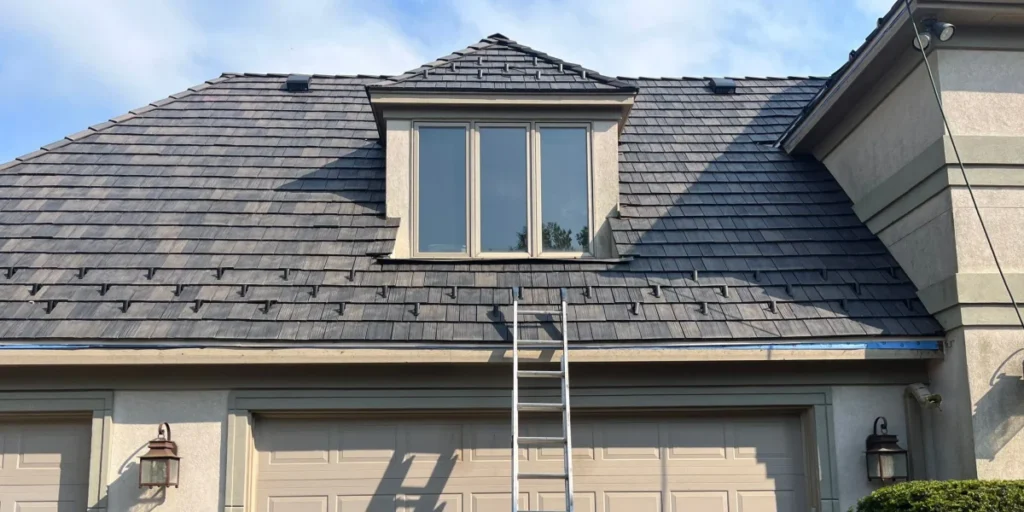
When we have aggregated and analyzed our historical quotes issued in years 2024-2026 and we realized that in last years, cost of installation of new natural cedar shingle roof is nearly exactly the same as cost of DaVinci or Brava roof replacement.
Let’s be realistic – if you can buy yourself a longer lifespan and less maintenance for the same price, you would really need to be an enthusiast of genuine cedar wood to opt for it.
Insurance Pressure Is One of the Biggest Reasons Cedar Roofs Are Losing Favor

The other one of the main reasons why cedar roofs are losing popularity today is growing insurance pressure. For insurance companies, the type of roofing material has a direct impact on risk assessment, premium costs, and the way claims are handled after storms, hail, or strong winds, as noted by the Illinois Department of Insurance. Natural shingles are much more prone to weather-related damage, more fire-hazardous and at the same time, cost of repairing cedar roofs is basically ideal to repairing composite roofs. Additionally, some insurers don’t want to cover natural cedar shake roofs at all – there’s too much risk involved in it. It’s exceptionally visible in California, when many large firms refuse to issue any new policies.
In practice, homeowners now need to pay attention not only to the scope of coverage itself, but also to issues such as wind and hail deductibles and the difference between replacement cost and actual cash value, which can significantly affect the amount paid out after a loss. In the case of cedar roofs, the problem is not only wood’s natural vulnerability to moisture, aging, and mechanical damage, but also the greater unpredictability of repair or replacement costs.
As a result, many homeowners see cedar as a less favorable option from an insurance standpoint than modern alternatives. Is insuring a cedar shake roof still possible in year 2026? It is, although you need to be prepared for higher premiums (30%-50% more), higher deductibles (up to us much as $10,000 instead of standard $1,000), and limited range of offers.
High Maintenance Requirements Consume Time and Money
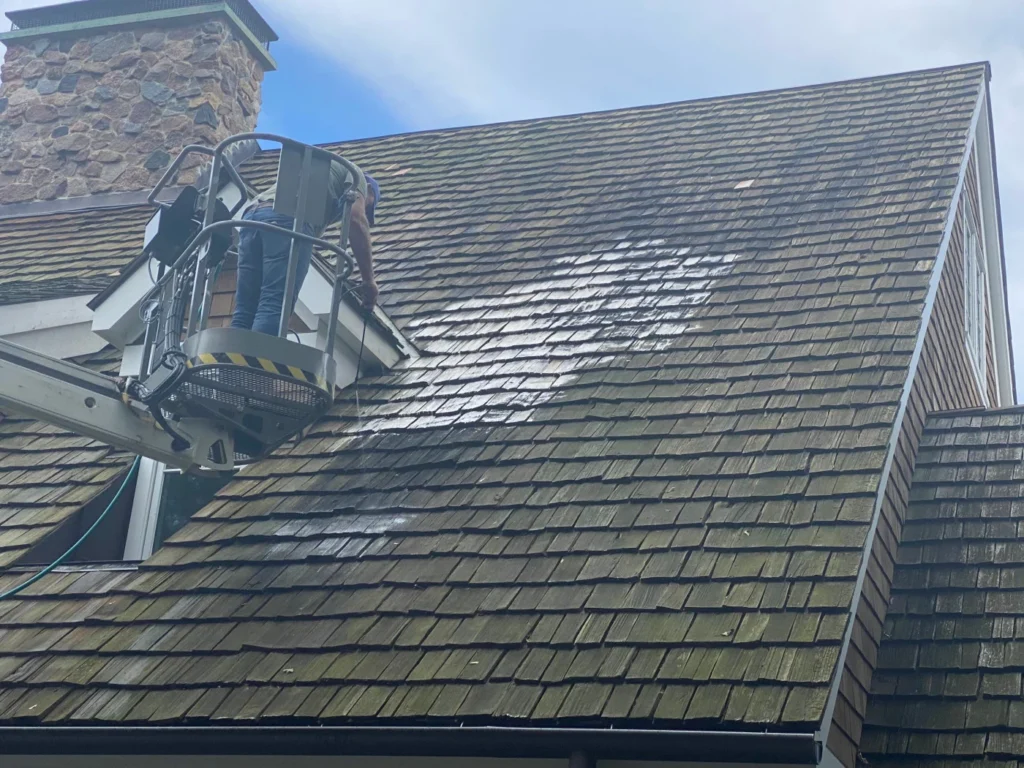
To be structurally sound for a long time, cedar shake roofs require regular and expensive maintenance. When compared to composite shakes or asphalt shingles, real wood shingles are usually trice as much as expensive to keep well maintained. Although cost of cleaning the roof isn’t significantly higher, cedar shakes require periodic moss removal and waterproofing. Usually, it sums up to $1,500-2,500 every few years.
Wood is a natural material that is more vulnerable to moisture absorption than modern roofing alternatives, including synthetic roofing materials or metal roofing. For this reason, a high level of moisture absorption often means a greater risk of swelling, warping, cracking, and the gradual weakening of the structure of cedar shakes, especially when the roof remains wet for a long time after rainfall, accumulated snow, or in shaded areas. Moisture also encourages the growth of moss, algae, and mold, which contribute to faster rot and trap water on the roof surface.
In addition, cedar shake roofing is especially vulnerable to various types of mechanical damage, such as splitting, edge deterioration, hail cracks, or the loosening of individual shingles under the force of wind.
Freeze-thaw cycles are particularly harmful to this type of roofing because wood constantly reacts to changes in temperature and moisture levels. Wood is a highly porous material — when cedar shakes absorb water from rain, snow, or humid air, their structure expands slightly. When the temperature drops below freezing, the water trapped in the pores and microcracks of the wood freezes, increases in volume, and begins to put pressure on the material from the inside. This leads to the formation of small cracks, separations, and the weakening of the wood fibers. When a thaw arrives, the ice melts, the wood partially dries out and shrinks, but it does not return perfectly to its original state.
Lifespan of Cedar Shake Roofs is Much Shorter Than of Any Other Roofing Materials
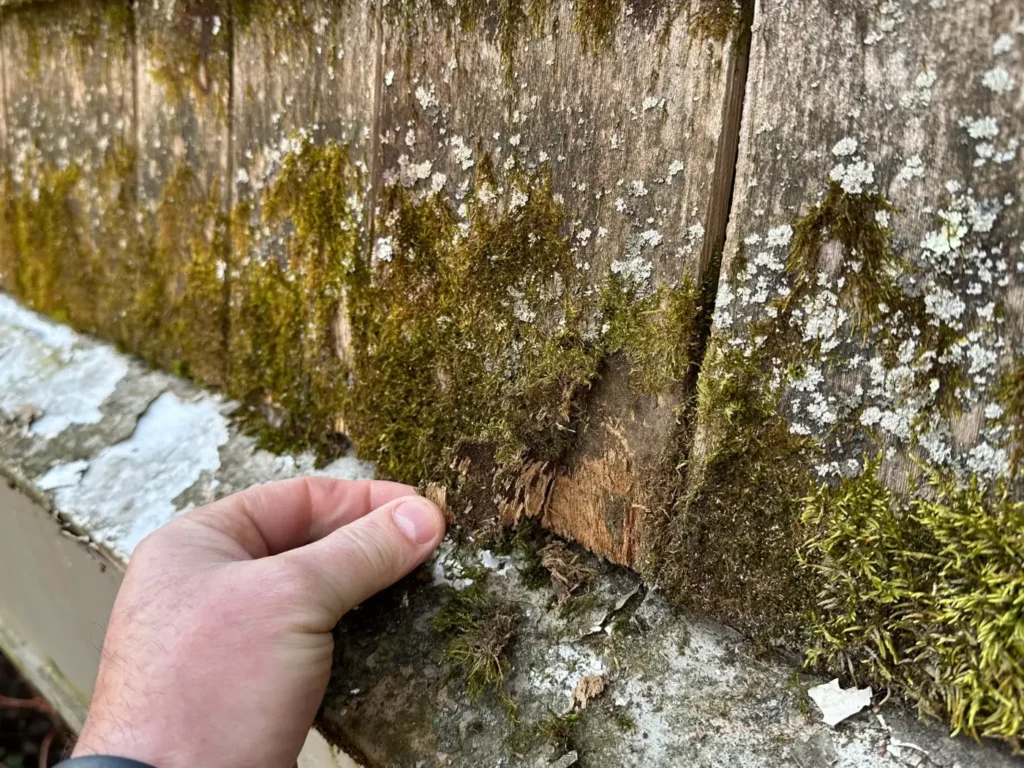
Realistically speaking, most of the cedar shake roofs require a replacement after 30 years of use in climate typical for Chicagoland. Multiple freeze-thaw cycles, hailstorms and strong winds make old cedar shake roofs vulnerable to damage. Given the much better weather resistance of composite and asphalt roofs, natural wood shingles became the least favorable option for homeowners seeking for a long, hustle-free operation of the roof.