
The slope of a roof is a very important factor that affects many different aspects, such as installation and repair costs, safety, functionality, and possibilities. There are several important considerations to keep in mind when deciding on a specific roof slope factor — they will later affect usage and maintenance. In this post, you will learn about the importance of slope factor.
Table of Contents
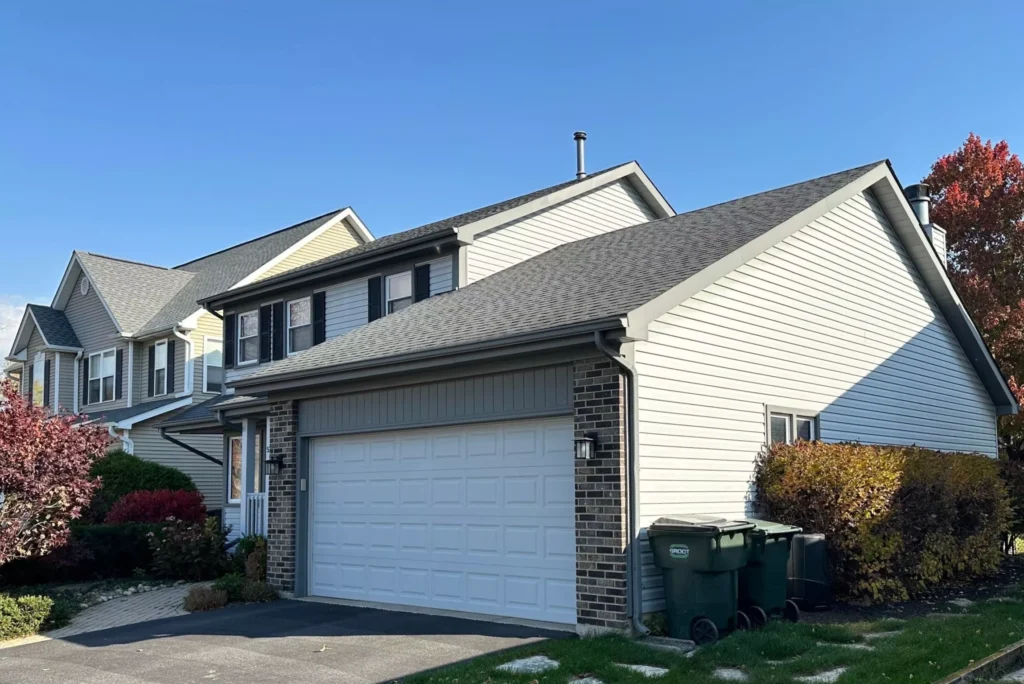
What exactly is slope factor?
Slope Factor is a roof slope coefficient expressed as a fraction, ranging from 1/12 to 18/12 (rarely exceeding 14/12), showing the number of inches the roof rises for every 12 inches of flat surface. For example, a Slope Factor of 3/12 means that the roof rises 3 inches for every 12 inches of horizontal run.
In reality, this notation obviously translates into the actual angle of the roof, but in construction, this particular method has become established, as it is easier to write down and facilitates comparison of values. Below you can see the specific angle of inclination for each slope factor value:
| Slope Factor | 1/12 | 2/12 | 3/12 | 4/12 | 5/12 | 6/12 |
| Angle | 4.8° | 9.5° | 14° | 18.4° | 22.6° | 26.6° |
| Slope Factor | 7/12 | 8/12 | 9/12 | 10/12 | 11/12 | 12/12 |
| Angle | 30.3° | 33.7° | 36.9° | 39.8° | 42.5° | 45° |
| Slope Factor | 13/12 | 14/12 | 15/12 | 16/12 | 17/12 | 18/12 |
| Angle | 47.3° | 49.4° | 51.3° | 53.1° | 54.8° | 56.3° |
As you can see, the higher the slope factor, the greater the angle of the roof, which also means that it is steeper. Roofs with a slope factor above 14/12 are very rare—such values are more common in decorative architecture than in modern residential buildings. The following classification of steepness is used:
- flat roof – up to 2/12;
- low-slope roofs: 2/12 – 4/12;
- standard-slope roofs – 4/12 to 7/12;
- very steep roofs – from 8/12 to 12/12.
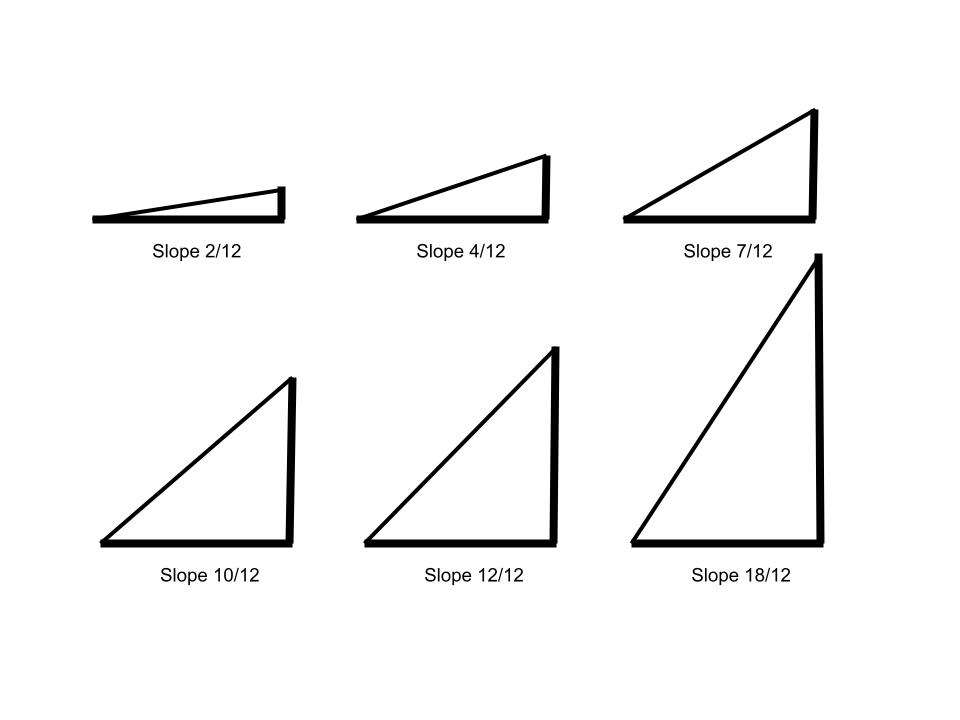
At usual, residential roof slopes range between 4/12 and 8/12. Most of the roofs we replace are 7/12 or 8/12. Slopes above 12/12 are typical for parts such as dormers or mansards, but hardly ever the entire roof is so steep. As you will understand in a moment, there’s a good reason for that.
Minimum required slope factor values for different roofing materials
Due to their properties, different roofing materials have specific minimum slope factor requirements. This is mainly due to the need for effective water drainage from the roof, which is sometimes simply impossible with low slope factors. Just imagine a flat roof covered with cedar shingles—when the slope angle is too small, water will accumulate, degrading the wood. This mechanism works similarly in most cases. Additionally, in Illinois, legal minimums are mainly determined by the 2021 International Residential Code (IRC), but also by the 2018 International Building Code (IBC) and the Chicago Building Code (CBC).
Asphalt shingles
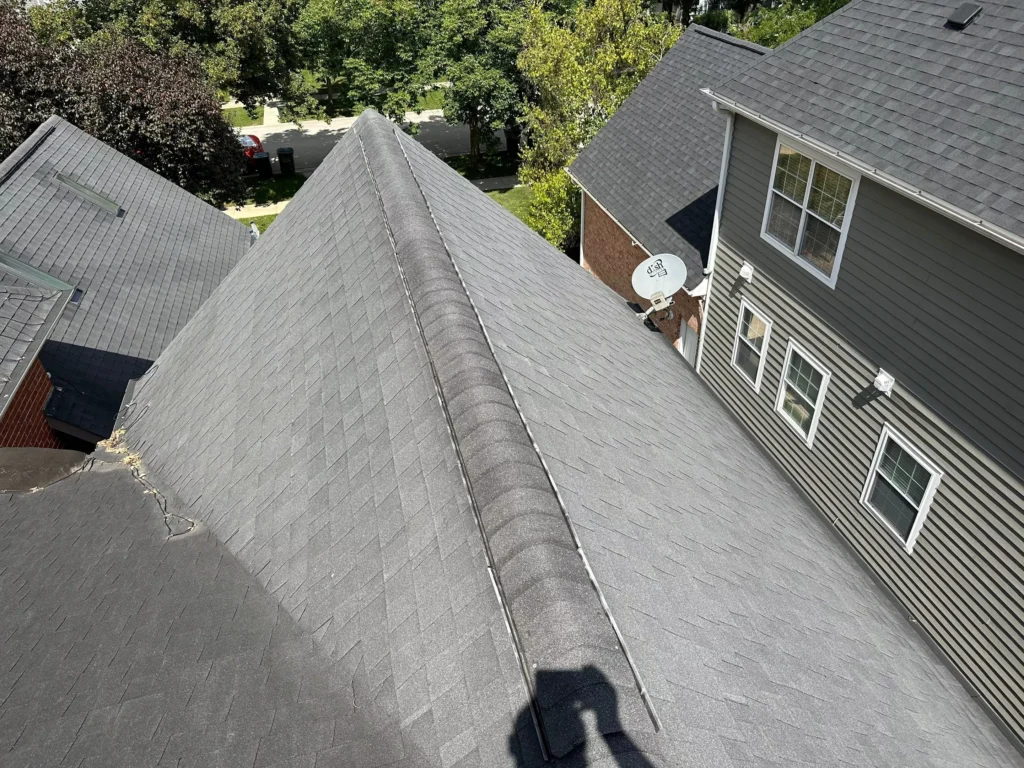
According to the IBC, the absolute minimum slope factor for a roof covered with asphalt shingles is 2/12. In addition, for values between 2/12 and 4/12, double underlayment or a special Ice and Water Shield self-adhesive membrane is required over the entire roof surface (low slope application). If the slope is greater than 4/12, asphalt shingles can be installed with a single layer of underlayment without any other restrictions.
In addition to legal regulations, in practice, the minimum slope factor is additionally determined by the shingle manufacturer (and according to the building code, compliance with the manufacturer’s reservations is mandatory). Sometimes, even with double underlayment, the product will require the roof to have a slope of at least 4/12, for example. If you decide to install such shingles on a less steep roof:
- you would violate the terms of the warranty, which would mean that if something happened to your roof, you would not be able to file a claim;
- you would violate building regulations, which could result in problems during inspection or sale of the house.
Cedar shakes and cedar shingles
In the case of cedar shingles, the regulations are slightly more stringent. This is due to the properties of the wood, which is more susceptible to degradation. The absolute minimum is:
- for cedar shakes – 4/12;
- for cedar shingles – 3/12.
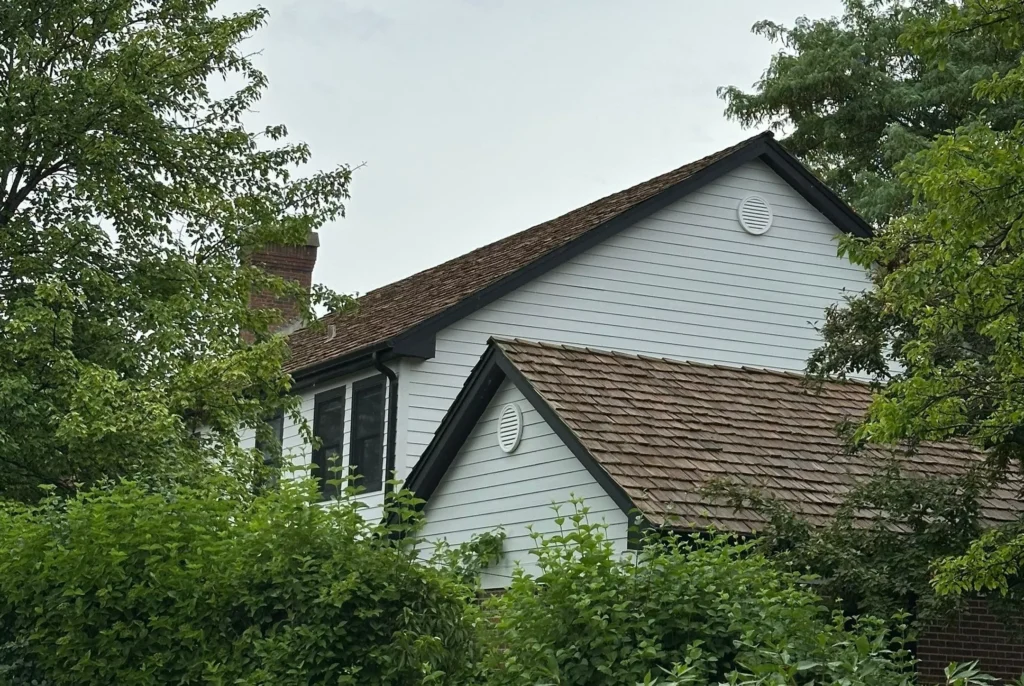
In addition, there are several additional requirements for areas subject to freeze-thaw cycles. The law requires full sheathing, such as OSB plywood (unless otherwise specified by the local authority), the use of Ice and Water Shields, and for cedar shakes, the use of shake felts between each layer of shingles.
Based on our experience we have to admit that shingle and shake roofs (both natural and synthetic) tend to be steeper than asphalt roofs – usually with slope above 6-7/12.
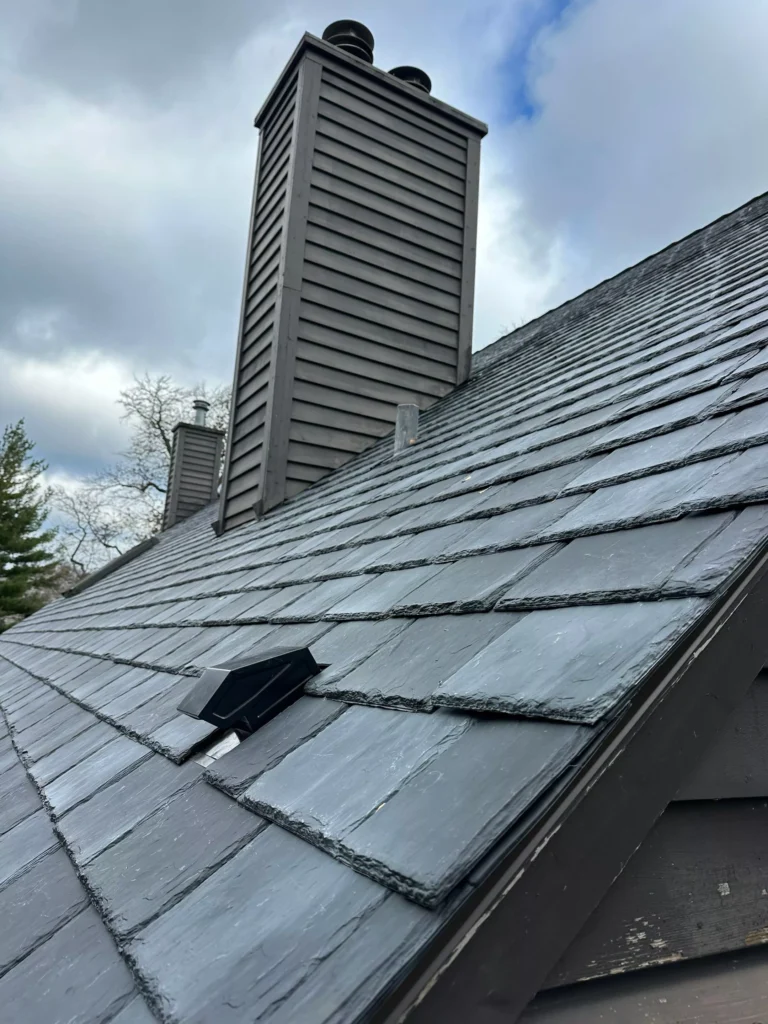
Synthetic shingles
Synthetic roof tiles that imitate wood shingles or stone slate have a separate section in the IRC. Generally, the minimum slope factor is 4/12, but in this case it is not a strict rule. A very important provision in the IRC is that “materials must be installed in accordance with the manufacturer’s instructions.” This means that if a manufacturer states that their product can be installed on a roof with a slope of 2/12, the tiles can be legally installed. The document that provides the basis for accepting a lower slope than that specified in the building code is the ICC-ES Report (Evaluation Service Report).
It is important to note that, as with asphalt shingles, a double underlayment or self-adhesive membrane that meets ASTM D1970 standards is almost always required for a slope factor of 2/12 – 4/12.
It is worth knowing that synthetic tiles have one significant advantage on steep roofs – they have high hail resistance (Class 4 Impact Rating), which, with slopes of 4/12 and above, allows for significant discounts on home insurance.
Metal roofs
The requirements for the roof pitch angle for metal roofing vary and depend on the type of structure:
- Standing Seam, i.e., mechanically joined panels with integrated sealing inside the seam. This is the only type of “shingle-like” roofing that can legally be installed on almost flat roofs – the absolute minimum slope factor is 1/4:12.
- Lapped, Non-soldered Seams, i.e., standard metal sheets (e.g., metal roof tiles or U-panels), where the sheets only overlap each other – The minimum is 3:12.
- Lapped, Seamed with Sealant – The minimum is 1/2:12.
EPDM, TPO and PVC
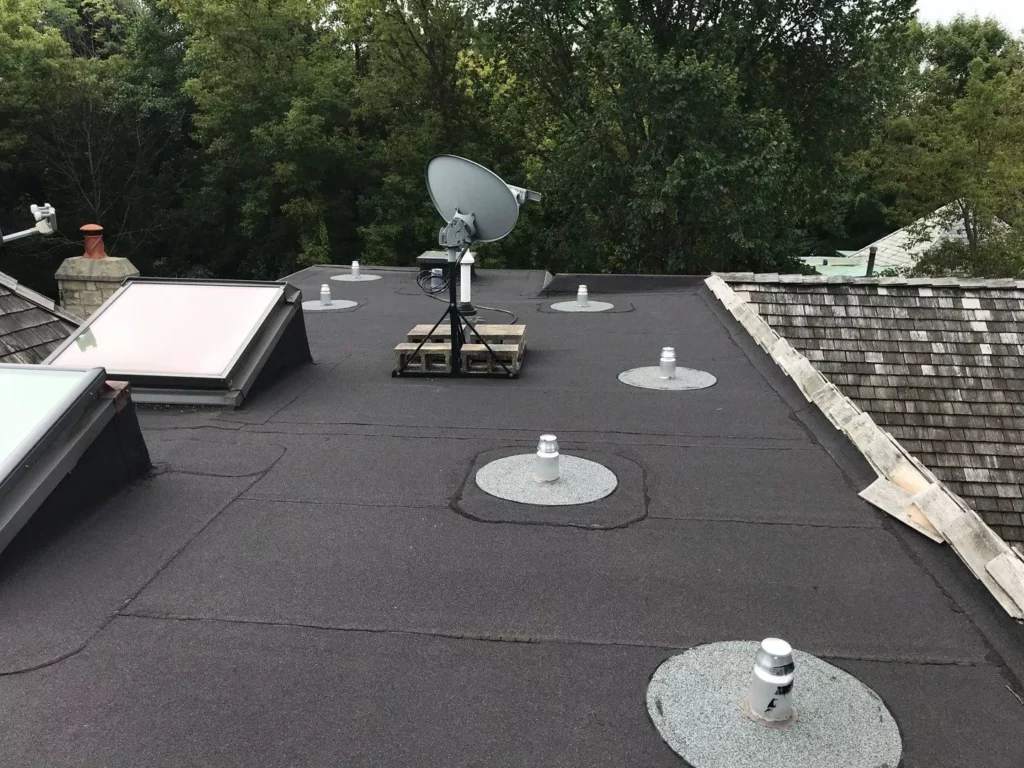
When the slope factor of a roof is less than 2/12, none of the above materials are suitable. Single-layer membranes, which are completely waterproof and impermeable to air, are used on such flat roofs. However, keep in mind that completely flat roofs are rare in residential construction—more often, there are individual sections of the roof that require a single-ply membrane (e.g., bay windows or canopies over entrances).
In Illinois, there is a particular emphasis on the use of white TPO coatings to prevent the formation of urban heat islands, which are exacerbated by black, highly heat-absorbing surfaces (e.g., EPDM coatings).
The importance of Ice and Water Shield
Ice and Water Shield is a special self-adhesive waterproofing membrane used under roofing to protect the roof from leaks caused by runoff water or melting snow. This membrane is unique due to one important property—unlike roofing felt, where each nail driven in causes a micro-hole, Ice & Water Shield “clamps” around each nail, creating a watertight seal.
Legal regulations and manufacturer recommendations often mention the necessity (or recommendation) to use such a membrane. There are several legal requirements that overlap and can sometimes be difficult to interpret correctly. To make it easier for you, we will explain them step by step.
First, as we mentioned earlier, different roofing materials have their own individual requirements for the use of ice and water shield (although it is almost always a slope factor of 4/12). These are specified in the IRC code and apply nationwide (unless local law says otherwise). According to these regulations, if the roof has a slope angle less than the critical value, it is mandatory to install ice and water shield over the entire roof surface. For example, if you decide to use asphalt shingles and the slope factor of your roof is 3/12, you are required to use a membrane.
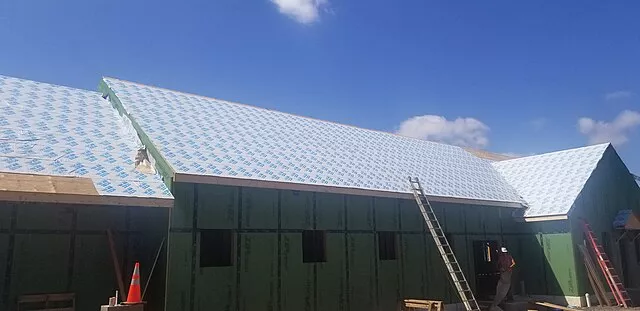
The second point that is crucial for homeowners in Illinois is IRC R905.1.2, according to which ice and water shield must be used if you live in an area where the average January temperature is less than 25°F. This condition is met throughout Illinois, so regardless of the roofing material you choose, you will have to use ice and water shield. Under this provision, roof owners are required to install the membrane in a strictly defined manner, which specifies its minimum quantity (detailed installation requirements are found in the IRC) – the membrane must be installed on the lower parts of the roof.
As a result, every heated home in Illinois must have a minimum amount of ice and water shield installed, and if its slope factor is less than the critical value required for a specific roofing material, the entire roof must be covered with the membrane.
How does the slope factor of a roof affect installation or repair costs
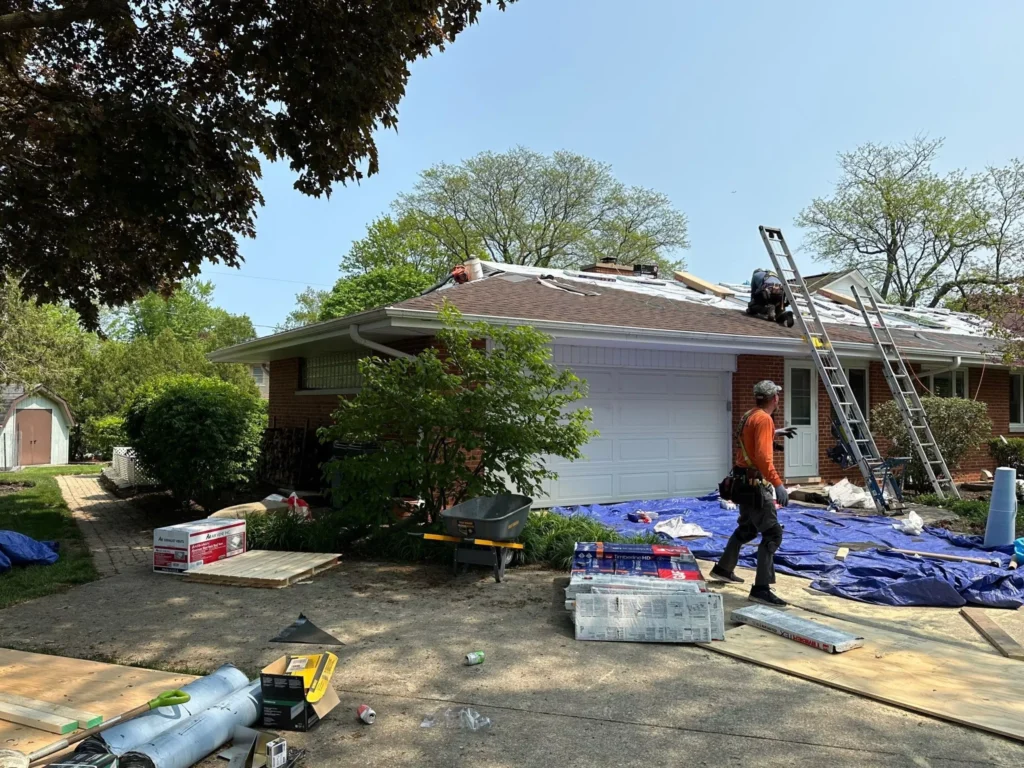
The slope factor is one of the factors that dramatically affects the final bill from the roofer, both when installing the entire roof and when repairing it. This is mainly due to safety reasons and the degree of difficulty of the work. As you can easily guess, the greater the angle of the roof, the more difficult it is to move around on it. Conventionally, roofs are divided into:
- walkable – slope factor smaller than 7/12;
- non-wakable – slope factor 7/12 or greater.
On roofs with a slope factor below 7/12, workers can walk safely and do not need additional safety equipment. The situation changes when the slope angle exceeds 26.6°—then the work requires the use of roof brackets, scaffolding boards, and constant rope safety measures.
When the slope factor of the roof is greater than 9/12, the work of roofers slows down dramatically, as each task requires climbing and additional safety equipment. A Steep Charge is often added, which is calculated per square of roof.
For example, the labor cost on a roof with a slope factor of 4/12 will be $160 per square, while on a roof with a slope factor of 12/12 it can be as high as $240.
The slope affects the price not only through labor, but also through waste. On very steep roofs, it is more difficult to calculate the amount of material needed and to use offcuts. For a 4/12 roof, 10% waste is usually added, and for a 12/12 roof with a complex structure, roofers may add as much as 15-20% to the amount of material ordered. This significantly increases the total cost.
It should also be taken into account that with steeper roofs, the costs of routine inspections and diagnosis of various problems will simply be higher – each such job is more difficult to perform, less safe, and requires more time.
The effect of slope on roof ventilation
Roof ventilation systems are largely based on convection (i.e., the physical phenomenon whereby warm air rises). Therefore, a general rule can be applied whereby the greater the slope factor of the roof, the more efficiently the entire mechanism will work.
The vertical distance (height difference) between the air inlet and outlet is crucial here. The greater the difference, the greater the pressure that will push the air upward, removing moisture and heat. With flat roofs with a slope factor of 2/12 – 4/12, this effect is very weak. Air tends to accumulate in dead spots, which promotes the condensation of water vapor.
As a result, depending on the slope of the roof, appropriate ventilation devices are also selected. When the roof is steeper (from a minimum of 3/12 to 12/12), ridge vents can be installed, which will freely remove moisture without additional support. This solution will not work on a flat roof, as rainwater pushed by the wind could be blown through the ridge into the interior. Therefore, less steep roofs use electric point vents that extract air from the interior and push it outside.
With a low slope, it is much more difficult to ensure air flow directly under the decking. When ventilation fails and warm air remains inside instead of escaping, it heats up the decking. This, in turn, leads to ice dams, as it melts the snow on the roof.
Ice dams are also a threat when the ice and water shield is installed incorrectly. Your roofer should make sure that no ventilation elements are covered with the membrane – this situation is critical for the roof, as the rubber material does not allow air to pass through and traps it inside.
The impact of slope on the thermal insulation of a house
The slope of the roof determines the volume of the attic, which directly affects how difficult or easy it is to maintain a constant temperature inside the building. A large slope factor usually means more space in the attic. The air in the attic creates a kind of buffer that delays the heating of the interior of the house in summer. In low-slope roofs, this buffer is much weaker, so the house heats up faster. The mechanism works the same way in winter – before warm air escapes, it must pass through the air buffer in the attic. If the roof has a large slope factor and the buffer is larger, it will take longer.
An important aspect here is the heel height, i.e., the height of the roof edge at the junction with the exterior wall or eaves. In low-slope roofs, the rafters meet the exterior wall at a very sharp angle, which leaves very little room for insulation. If you use mineral wool there, you will block ventilation. If you leave space for ventilation, you will have a “hole” in the insulation through which heat escapes.
To solve this problem, raised heel trusses are used in roofs with a low slope factor, which raise the roof above the wall to accommodate a full layer of insulation. Although raised heel trusses are an additional cost for the owner during construction, they save money on heating in the future.
Summary
The slope factor of a roof is a very important factor that affects its price, use, and insulation and ventilation performance. Both steeply sloped roofs and flat roofs have their advantages and disadvantages, so it is important to be aware of their characteristics. Roofs with a high slope factor generally provide better thermal insulation and are easier to ventilate, while flat roofs are less efficient but cheaper to install, inspect, and repair.