
Stone has always been a go-to choice in exterior finishing, known for its elegance and lasting beauty. It’s beautiful and incredibly durable, but here’s the catch – it’s also heavy, tricky to install, and pricey. That’s why stone veneer is becoming so popular across the U.S. These thin panels mimic the look of natural stone but are lighter, more affordable, and much easier to work with. But does the manufactured stone outperform the real one? Are there any cons of using these decorative panels?
What is Stone Veneer?
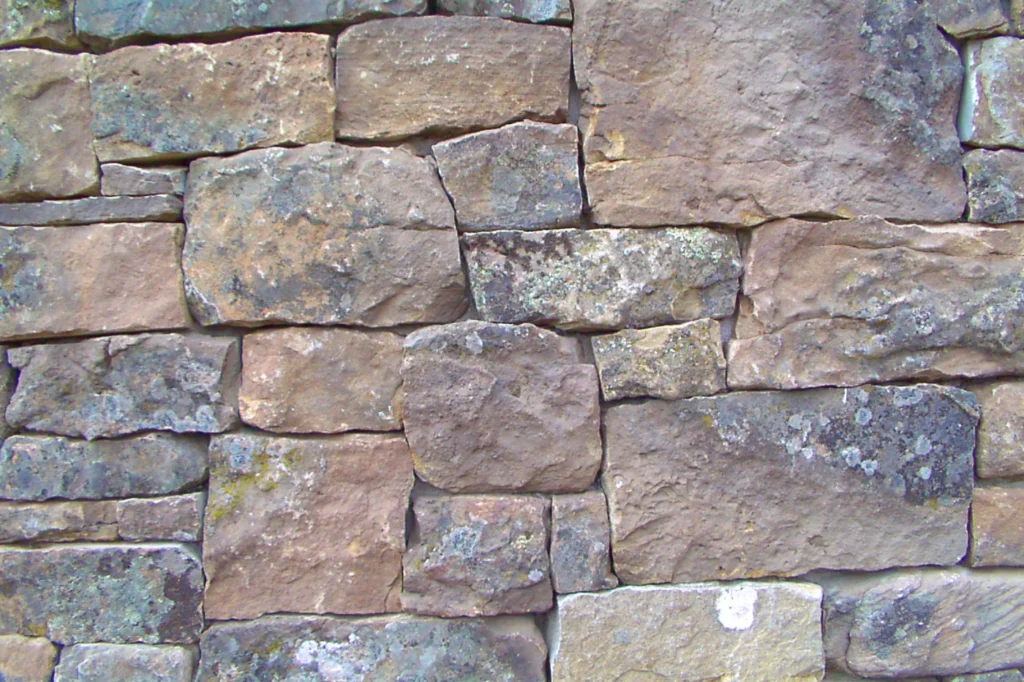
Stone veneers (known as manufactured stone or artificial stone) are thin panels designed to look just like natural stone. Some are made from real cut stone, but more often they’re crafted from a mix of cement, lightweight aggregates, and pigments. The result is almost indistinguishable from solid stone slabs, yet the panels are much lighter and easier to install. At usual, faux stone is approximately 2 times lighter than the natural (15 psf instead of 35-40). At the same time, veneer products made of cement are much thiner (1.5″ instead of 3-5″), what also matters, especially in interior finishing.
Manufactured stone veneers are perfect for finishing garden walls, outdoor kitchens, fireplaces, and patios. You get the look of real stone without having to pour heavy foundations, which are usually needed for granite or slate. Homeowners are also using stone veneers on facades and fences to give their property a unified, polished look. And when combined with wood, glass, or metal, they create a modern, stylish effect that stands out.
The widespread of architectural stone veener is sometimes surprising for Europeans, who are used to houses entirely made of natural stone or bricks. In fact, the popularity of decorative stone or artificial stone derives from the fact that most of American houses aren’t capable of bearing the loads generated by real stone. As a result, ledgestone or other stone panels are the only way to achieve a classis, rustic curb appeal.
What Are the Advantages of Manufactured Stone?
The biggest advantage of stone veneers is that they deliver the look of real stone without the high price tag or complicated installation. Because they’re so light, you don’t need special foundations or advanced building techniques—just a solid surface to attach them to. That makes them an easy option for anyone who wants to quickly refresh a garden or patio.
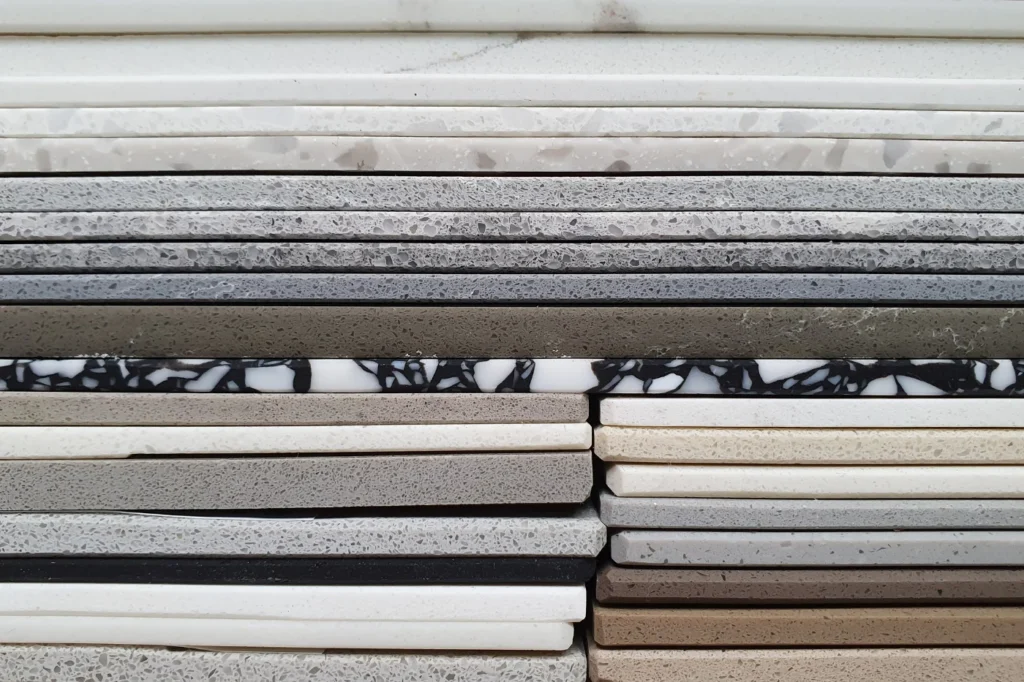
Another plus is the variety. Veneers can mimic rough, rustic slabs that blend beautifully with greenery, or smooth, sleek surfaces that fit perfectly with modern patios. They’re easy to match with both traditional homes and contemporary designs. In the U.S., siding options like James Hardie and vinyl siding are a go-to for facades, and stone veneers follow the same trend, giving outdoor spaces a natural stone look without the weight.
They’re also practical. Unlike solid stone, veneers don’t overload walls or structures, which gives you more design freedom. You can use them on walls, planters, outdoor kitchens, and even smaller decorative features without worrying about added stress.
And thanks to their easy installation, they’re popular with DIY enthusiasts. No heavy tools or specialized equipment are needed, and the transformation is almost instant. In just a few days, you can give your patio or garden a completely new look—without a major renovation.
Disadvantages and Limitations of Stone Veneers
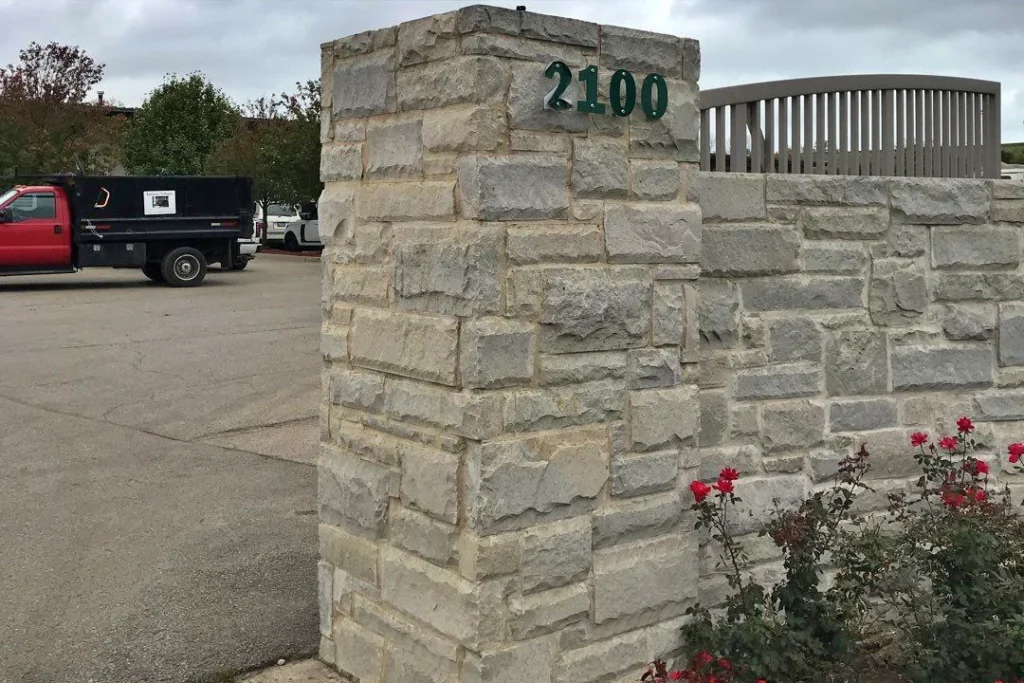
While stone veneers look almost identical to natural stone, they don’t offer the same durability. Because they’re thinner, they can chip, crack, or fade over time—especially when exposed to harsh sun or freezing temperatures.
They’re also more vulnerable to everyday wear and tear. A strong impact, dragging heavy patio furniture, or frequent foot traffic along pathways can cause the edges to break down. Unlike solid stone, a thin veneer layer just isn’t built to handle that kind of stress.
Another drawback is lifespan. Even when installed properly, veneers won’t last as long as natural stone, which can easily serve for decades. At some point, sections may need repair or full replacement, which adds extra cost down the road.
When Is It Worth Using Stone Veneers?
Stone veneers are a smart choice when you want the look of real stone without the extra weight. Because they’re so light, they can be used in spots where natural stone would be too heavy or require too much work—like garden walls, outdoor fireplaces, barbecues, or even around planters and raised beds.
They’re also perfect for quick makeovers. Installation is much simpler than with solid stone, so you can give your patio or garden a fresh look in just a few days.
For many homeowners, cost is another factor. Natural stone will always be a premium material, but veneers let you achieve a similar effect for far less. It’s a bit like choosing between composite decking and natural wood—both have their advantages, but lighter, low-maintenance options often make more sense.
Veneers also pair well with other materials like composite boards or wood siding. This creates a consistent, modern look and makes upkeep easier. Composite boards in particular share the same strengths as stone veneers: lighter weight, easy care, and plenty of style.
When Is It Better to Choose Natural Stone?

So-called stone siding (stone veneer) works well in most situations, but there are times when traditional stone is the better option. As you may suppose, artificial stone made of gypsum is more likely to crack, so this material should be installed in places, that are not exposed to strikes or any similar stressors.
In these cases, natural stone is the safer choice. It offers maximum durability and the confidence that the surface will last for decades. Just like with roofing, siding or driveway materials every product has its own characteristics and particular advantages as well as disadvantages.
We can admit that for typical use, stone veneer will be most likely a better option than natural stone bricks. While a heavy piece of limestone or granite is undeniably much more durable, you most likely don’t need a stone wall that will last for more than 50 or 70 years, because you will probably sell or demolish your house before that. On the other hand, genuine stone needs craftsmanship, and its installation is sometimes a big deal – especially, if the wall must resist hundreds or thousands of pounds lying on it.
How to Care for Natural Stone Veneers?
To keep natural stone veneers looking their best for years, a little care goes a long way. Regular cleaning and protectionare important not only for natural stone but also for veneers. This helps them stay attractive longer and makes them less vulnerable to moisture and dirt. Skip this step, and they may lose their charm faster and even need replacement – which can be costly.
All it takes is an occasional rinse to remove dirt and buildup, plus a protective sealer every few years. This keeps the color vibrant and helps protect against moisture and stains.
Compared to materials like wood siding, which needs frequent painting and upkeep, stone veneers are much easier to maintain. That makes them a great choice not only for gardens, but also for patios and facades – where you want durability and convenience without sacrificing style.
Installing Stone Veneers – Easier Than You Think
One reason stone veneers have become so popular is how simple they are to install. Unlike natural stone, they don’t require foundations or heavy equipment. Veneers can be applied over concrete, brick, block, or even special backer boards. All you need is a flat surface, mortar, and careful placement to keep the lines straight.
They work great not only in the garden—around grills, fireplaces, or planters—but also on patios. On traditional patios, they’re often used on vertical features, while on modern rooftop decks, their light weight is a huge advantage since they don’t put extra stress on the structure like solid stone would.
When installed by a professional crew, the results are both durable and beautiful. And because installation is easier than with natural stone, labor costs are lower, making the whole project more affordable.
How Much Do Ledgestone Panels Cost?
One of the main reasons homeowners in the U.S. choose stone veneers is the lower overall cost – the price of artificial stone is sometimes even as low as $6-$10 per square foot; natural stone panels range usually from $20 to $50 per square foot, while the wall erected entirely with use of natural stone pieces won’t cost you less than $40, sometimes even $60 per sqft. Stone cladding is much cheaper option, the same as its installation, because virtually everyone can put veneer on the wall properly.
In practice, you can get the look of stone on a much smaller budget. This makes veneers accessible to more homeowners who want to upgrade their outdoor space without spending a fortune. And just like with different types of siding, choosing lighter, modern materials often ends up being the smarter, more cost-effective option compared to traditional, heavier ones.You can see the same logic in comparisons of vinyl and fiber-cement siding, where newer solutions often turn out to be more durable and economical in the long run.
Summary
Stone veneers are a practical and stylish choice for anyone who dreams of a beautiful, stone-inspired garden without the high costs or complicated installation. Lightweight, easy to work with, and available in a wide range of colors and textures, they make it simple to create a cohesive, modern look in the garden, on a patio, or even on a home’s facade.
While they’re not as indestructible as natural stone, when installed and maintained properly they can last for many years while keeping their charm. Lower cost, easier transport and installation, and minimal upkeep make veneers accessible to a wide range of homeowners. In the end, they strike the perfect balance between aesthetics and practicality—a smart way to enjoy the elegance of stone without the drawbacks.