
When it comes to choosing the perfect roofing or flooring material, the options can feel overwhelming. Although asphalt shingles are the most popular type of roofing in the U.S. and have been dominating the market for many years, homeowners with more traditional properties contact us to restore or replace their terracotta tiles. Some of them also consider replacing terracotta with concrete tiles and ask us about advantages and disadvantages of this material. Because of that, we decided to write an article with differences between terracotta and concrete tiles.
Table of Contents
How do the Terracotta And Concrete Roof Tiles Look Like?
At first glance, both terracotta (spanish) and concrete roof tiles look very similar. Obviously, it’s for a reason – for many years, terracotta was considered as a more expensive, yet better and more elegant option.
Let’s begin with the most basic information. Terracotta tiles are made from natural clay, fired at high temperatures to achieve distinctive warm, earthy tones. Although clay roofing tiles are offered in various shapes and versions, they are nearly always light-brown or orange. Usually, Spanish barrel tiles weigh between 550 and 700 pounds per square.
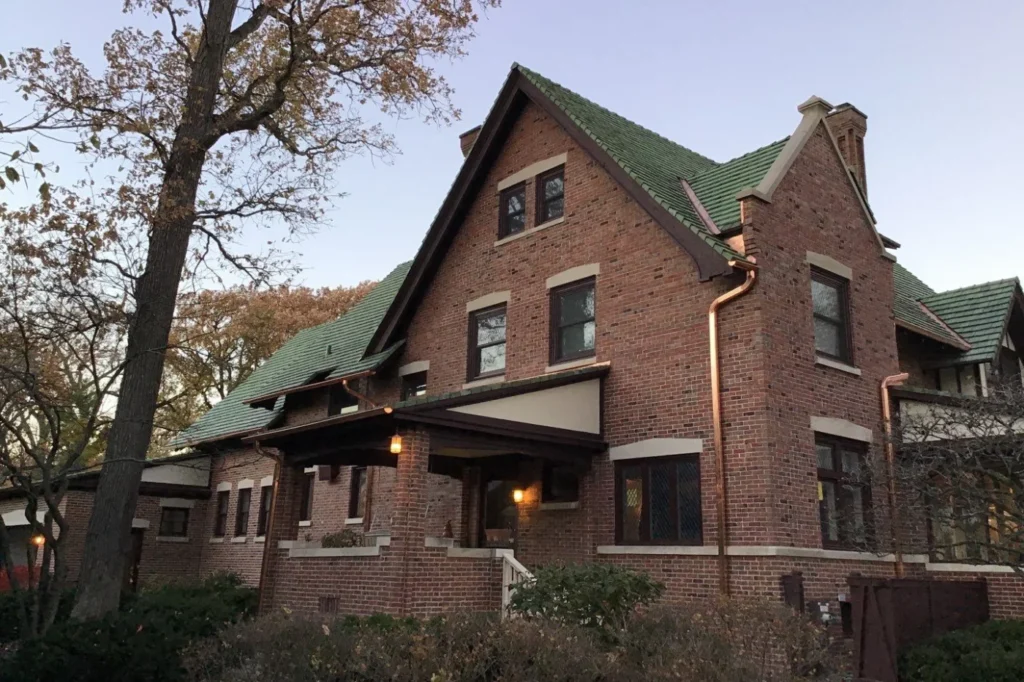
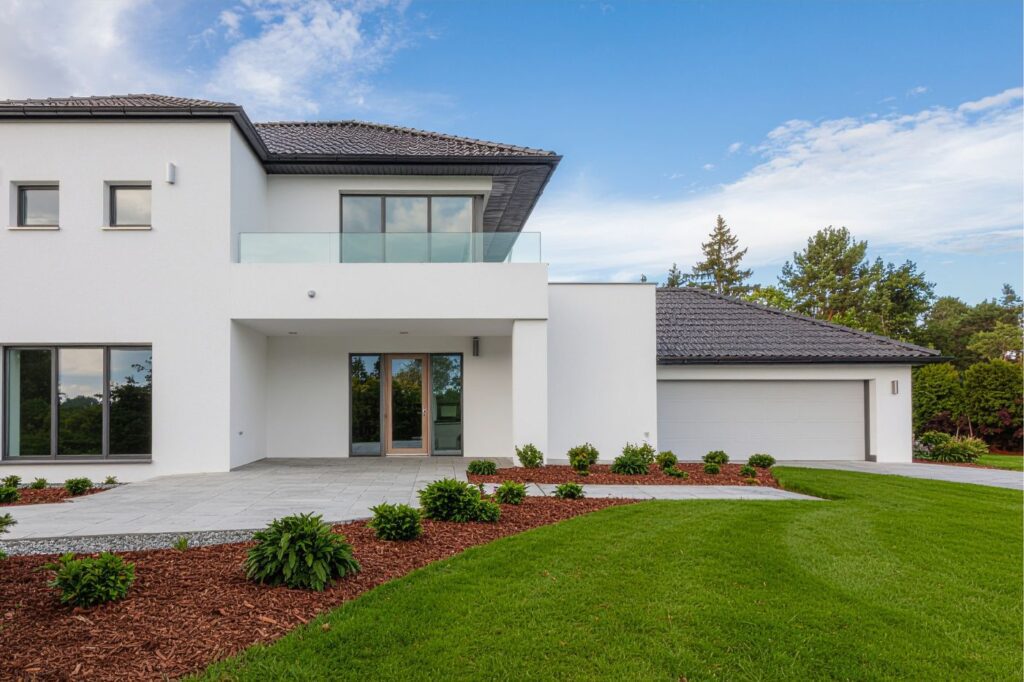
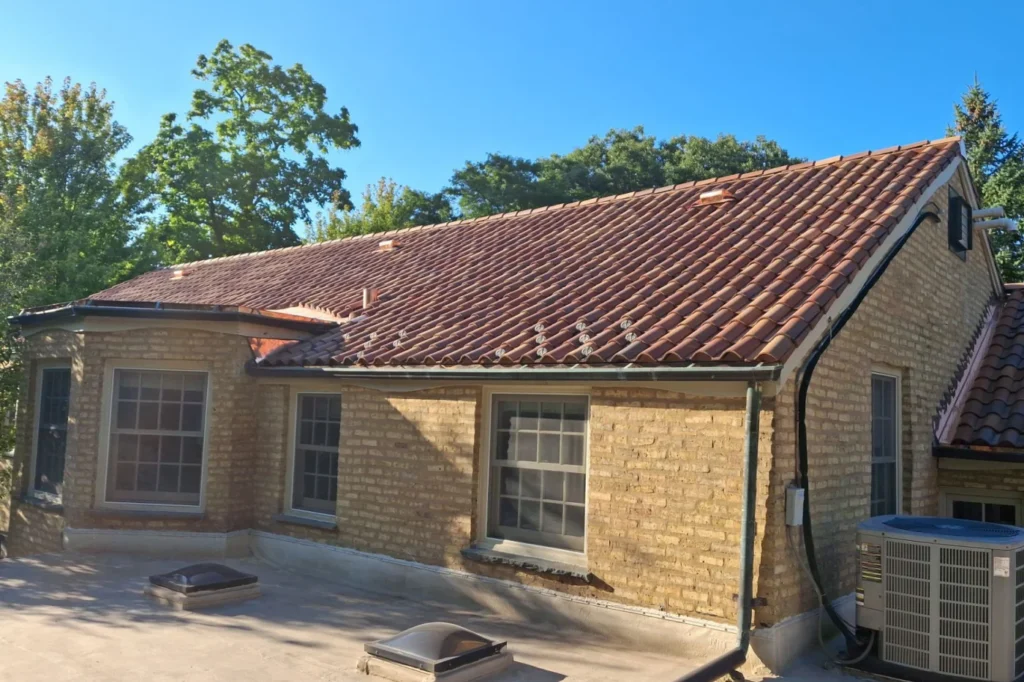
Concrete tiles, on the other hand, are crafted from a mixture of cement, sand, and water, sometimes with coloring pigments. They are often crafted to mimic different materials, such as cedar shakes, terracotta or slate tiles. Because of concrete’s absorbing properties, this type of roofing can accumulate up to 13% of its mass in form of water! For this reason, concrete tiles are extremely heavy, exceeding 1000 pounds per 100 sqft of their area.
While both types of tiles are usually associated with traditional architectural styles, such as Mediterranean and Georgian, concrete is much more popular in contemporary architecture.
Are Concrete Tiles More Popular Than Terracotta Tiles?
In the United States, concrete roofing tiles dominate the market, accounting for approximately 60% of roofing tile installations. This widespread preference is driven by factors such as affordability, durability, and ease of installation. Concrete tiles are particularly favored in regions with high wind or storm activity, as they offer enhanced resistance to extreme weather conditions.
Conversely, terracotta tiles, known for their aesthetic appeal and traditional charm, represent a smaller segment of the market. While they are more prevalent in certain areas, such as the American Southwest, their higher cost and increased maintenance requirements have limited their broader adoption. Despite this, the demand for terracotta tiles is projected to grow, with the U.S. market size for clay roof tiles estimated at USD 3.25 billion in 2025
As an exterior contractor operating in Winnetka and neighboring areas, we hardly ever do clay or concrete tile roofing projects. However, if we do that, it’s most likely a terracotta roof on a high-end properties located in the most expensive neighborhoods.
What Are The Main Differences?
So let’s take a closer look at how terracotta and concrete tiles compare across several important aspects. From durability and maintenance to cost and aesthetics, each type has its own strengths and weaknesses. In the following sections, we’ll break down these differences to help you understand which option might be best for your home.
Durability
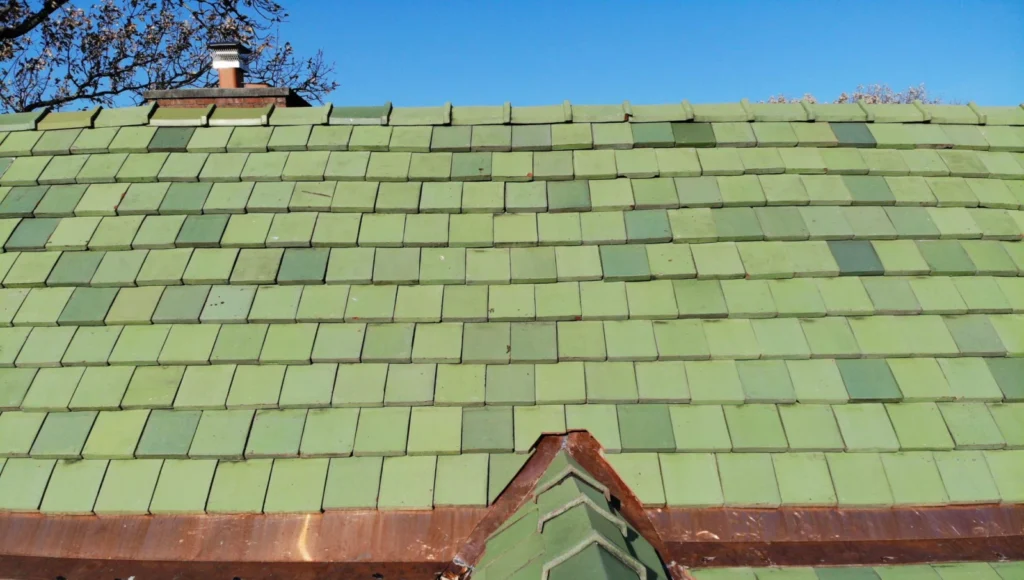
When choosing roofing materials in Illinois, the local climate plays a major role in determining the longevity and performance of different tiles. Illinois experiences a wide range of weather extremes: hot, humid summers, heavy rainfall, occasional hail, and cold winters with freeze-thaw cycles and snow accumulation. Just like in case of asphalt shingles, weather speeds up the tile deterioration process significantly.
In this context, concrete tiles generally outperform terracotta in terms of weather resistance. While much more porous, concrete is less likely to crack during freezing periods, mainly because tiles made of it are simply thicker. While this material is much more prone to freeze-thaw damage, it’s simply not a problem in practice. What’s more important, concrete roofing tiles are also much more hail-resistant, which is crucial parameter for any homeowner in Illinois (and their insurer).
Maintenance
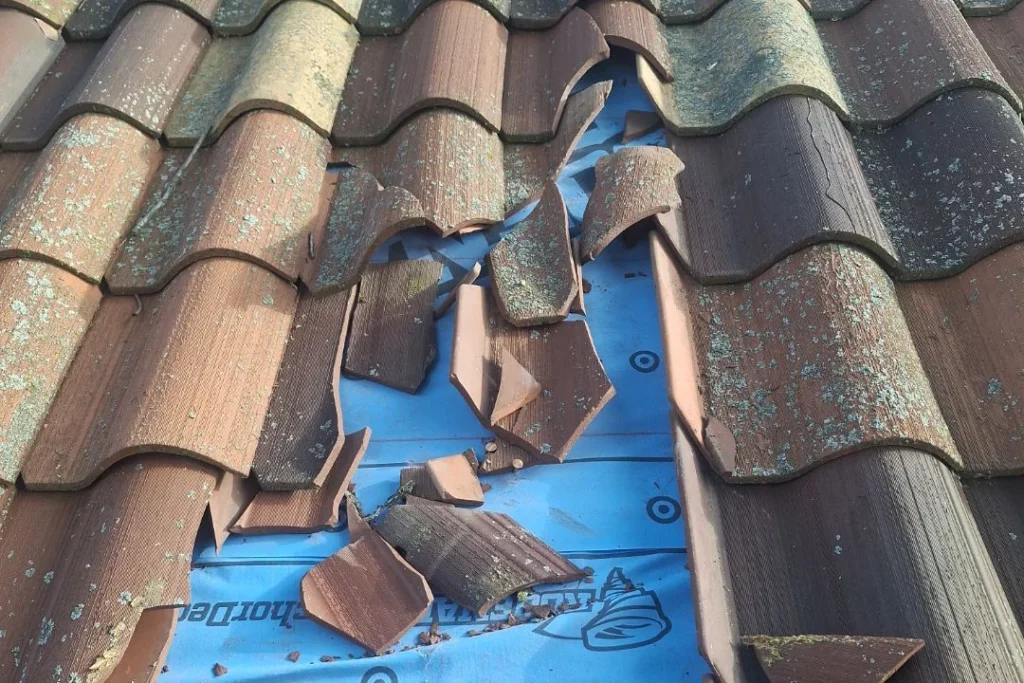
In terms of maintenance, both concrete and terracotta tiles are generally easy to take care of. However, everything depends on the way they were manufactured, and, what’s even more crucial, their finish matters. While most of modern clay tiles are covered with smooth finish, some of them were made porous in the past. As you can imagine, the harsher the surface, the more difficult cleaning is.
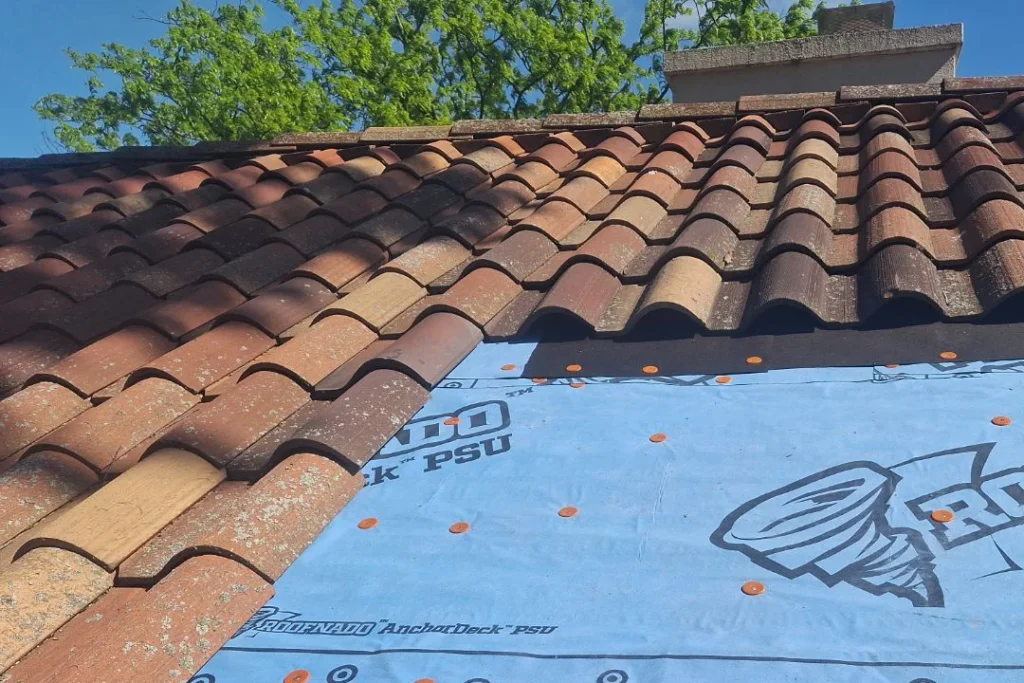
We can admit that generally, clay or concrete tiles are superior materials when it comes to maintenance. They don’t rot, don’t lose granules, don’t need waterproofing or moss removal. Tiles are generally a lifetime solution, although they still require a specific sort of maintenance – they crack all the time, so every now and then, you need to replace specific tiles. Although it’s not that expensive, you need to schedule a terracotta roof repair services virtually every year or two.
When it comes to maintenance, we are leaning towards concrete tiles – they are cheaper to replace after cracking, and due to their thickness are less likely to get damaged by hail.
Aesthetics
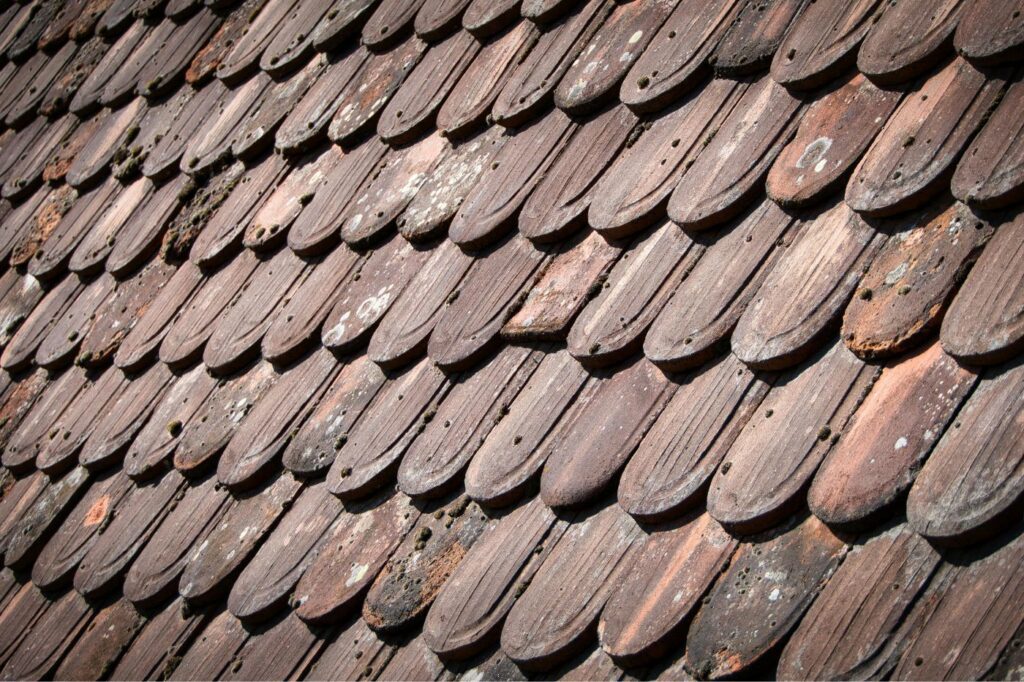
When it comes to aesthetics and style, terracotta tiles are often chosen for their warm, earthy tones and timeless, Mediterranean-inspired appearance. Each tile can have slight variations in color and texture, giving roofs a unique, handcrafted look that is especially appealing for traditional or rustic designs.
Concrete tiles, on the other hand, offer greater versatility in style. They can be manufactured to mimic the appearance of terracotta, slate, or even wood, and are available in a wide range of colors and finishes.
While terracotta emphasizes natural beauty and classic charm, concrete provides more options for customization and can suit both modern and traditional architectural styles.
Weight
In terms of weight, concrete tiles are generally heavier than terracotta, which can have a direct impact on the structure of a roof. Their greater mass requires a stronger supporting framework to ensure stability and prevent structural stress over time. Usually, concrete tiles weigh between 800 and 1100 pounds per square, which translates to 32,000 – 44,000 lbs in case of mid-size house.
Terracotta tiles are lighter, making them easier to handle during installation and less demanding on the roof’s underlying structure. Nevertheless, they weigh at least 600 lbs per square – that’s 24,000 lbs for a mid-size house.
However, both types are heavier than asphalt shingles, so proper roof reinforcement is necessary regardless of the choice. Homeowners need to consider this factor, especially in older homes, as it may influence both installation complexity and overall cost. For this reason, more and more homeowners decide to choose synthetic alternatives.
Installation
When it comes to installation, concrete tiles are generally easier to work with due to their uniform size and greater durability. Their consistent shape allows for faster and more straightforward laying, and they are less likely to break during handling.
Terracotta tiles, by contrast, are more fragile and often vary slightly in shape and thickness, requiring greater care and precision during installation. This can make the process slower and may increase labor costs. Additionally, terracotta roofs often need careful alignment and additional sealing to ensure long-term performance, whereas concrete tiles are more forgiving and accommodate minor installation imperfections.
Cost
When comparing the cost of terracotta and concrete roof tiles in the United States, concrete tiles generally offer a more budget-friendly option. Concrete tiles typically range from $7 to $19 per square foot installed, translating to approximately $10,500 to $47,500 for a 1,500 to 2,500 square foot roof. In contrast, terracotta tiles are more expensive, with costs ranging from $9 to $26 per square foot installed, or about $21,000 to $60,000 for a 2,000 square foot roof
The higher cost of terracotta tiles can be attributed to their material composition and the manufacturing process, which often involves more intricate techniques and longer curing times. Additionally, terracotta tiles are heavier and more fragile, which can increase installation complexity and labor costs. Concrete tiles, being more versatile and easier to handle, generally result in lower installation expenses.
Which Tiles Are Better?
In the Chicagoland area, concrete tiles are generally the more practical choice for roofing due to the region’s highly variable climate and weather conditions. The area experiences hot, humid summers, heavy rainstorms, strong winds, and cold winters with frequent freeze-thaw cycles. Concrete tiles excel in these conditions because of their density, durability, and resistance to cracking under pressure. They absorb less water than terracotta, reducing the risk of damage from freezing, and their ability to withstand heavy snow loads and high winds makes them a reliable option for long-term performance. Additionally, concrete tiles require minimal maintenance and are easier to install, which can save both time and labor costs.
Terracotta tiles, while visually striking with their warm, Mediterranean-inspired hues and unique textures, are better suited for homeowners prioritizing aesthetics over practicality. They perform well in areas with milder climates where freeze-thaw damage is minimal. With proper sealing and upkeep, terracotta roofs can still last for decades, but they are more fragile, heavier, and generally more expensive to install and maintain.
Alternative For Terracotta Tiles
If you like the look of terracotta tiles, there is a product which you may like. There are concrete roof tiles designed to mimic terracotta, which offer an attractive alternative for homeowners who love the classic Mediterranean or Spanish-style look but want the durability and lower maintenance of concrete.
These tiles replicate the warm, earthy tones and barrel shapes of traditional terracotta, providing the same visual appeal without the fragility or higher cost. Unlike natural clay, concrete versions are less porous, more resistant to freeze-thaw cycles, and can better withstand heavy snow, wind, and hail—making them particularly suitable for variable climates like Illinois.
Additionally, concrete tiles are easier to install and maintain, and they can be manufactured in a wide range of colors and finishes, allowing homeowners to achieve the aesthetic of terracotta while benefiting from the long-term performance, cost-effectiveness, and structural reliability of concrete. This combination of style and practicality makes terracotta-inspired concrete tiles an increasingly popular choice for those seeking beauty without compromising durability.
Summary
Overall, for most homes in Chicagoland, concrete tiles offer superior protection against harsh weather, lower maintenance requirements, and greater cost-effectiveness, making them the preferred choice. Terracotta remains a viable option primarily for those seeking distinctive architectural style and willing to invest in additional care and maintenance to preserve its longevity and appearance. However, if you are a fan of the look of x, it would be a good idea to consider their alternative, i.e., concrete tiles that imitate their appearance.