
In recent years, synthetic roof shingles have become an increasingly popular choice among owners of single-family homes. Their wide range of designs and colors, combined with a long service life and excellent weather resistance, makes them a very promising material that will last for many years. However, synthetic solutions have been on the market for a relatively short time and have not been tested as thoroughly as, for example, asphalt or wood shingles. In this article, we will outline the most common issues reported so far by homeowners and roofers who have worked with Brava and DaVinci products.
Table of Contents
How Are Brava and DaVinci Roof Tiles Advertised?
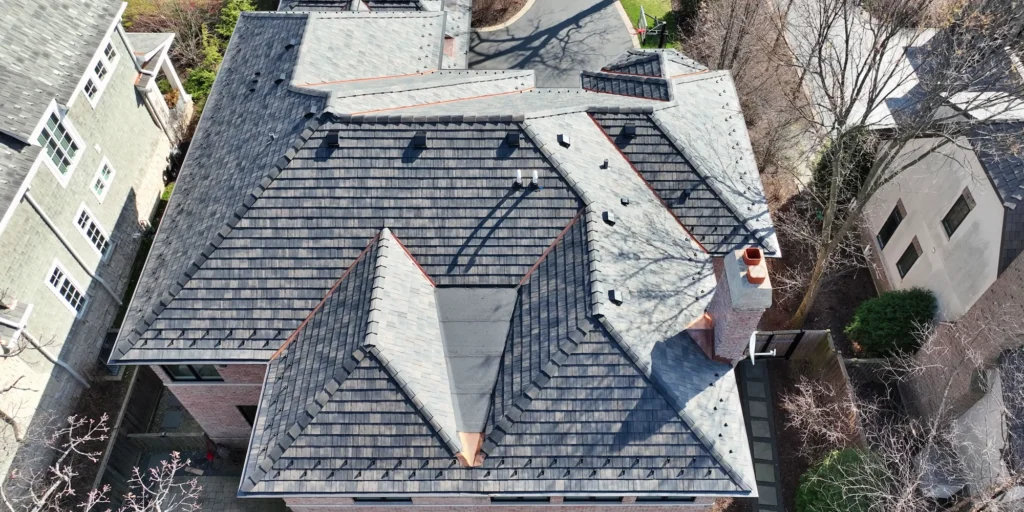
Synthetic roofs are premium systems that often cost significantly more than standard roofing materials. They are marketed as solutions that combine the desired aesthetic appeal (e.g., of wooden shingles) with the extreme durability provided by fully synthetic manufacturing. Let’s take a look at the claims made by the manufacturers themselves.
Impact Resistance
Synthetic roofing materials are marketed for a range of benefits promised by manufacturers. First and foremost, they offer very high resistance to impacts, hail, and wind—which are, in fact, the greatest mechanical threats to a roof, typically resulting from extreme weather conditions. In UL 2218 tests, these shingles achieve top scores, often ranking among the highest resistance classes.
Resistance to solar radiation
Another frequently cited advantage is color stability, thanks to high UV resistance. Synthetic roof tiles are specifically designed to minimize the breakdown of bonds in the top layer (chalking), which is responsible for maintaining color. In many other materials—whether natural or simply less resistant—UV radiation gradually breaks down the surface structure and washes out pigments, leading to uneven fading.
Resistance to Microorganisms
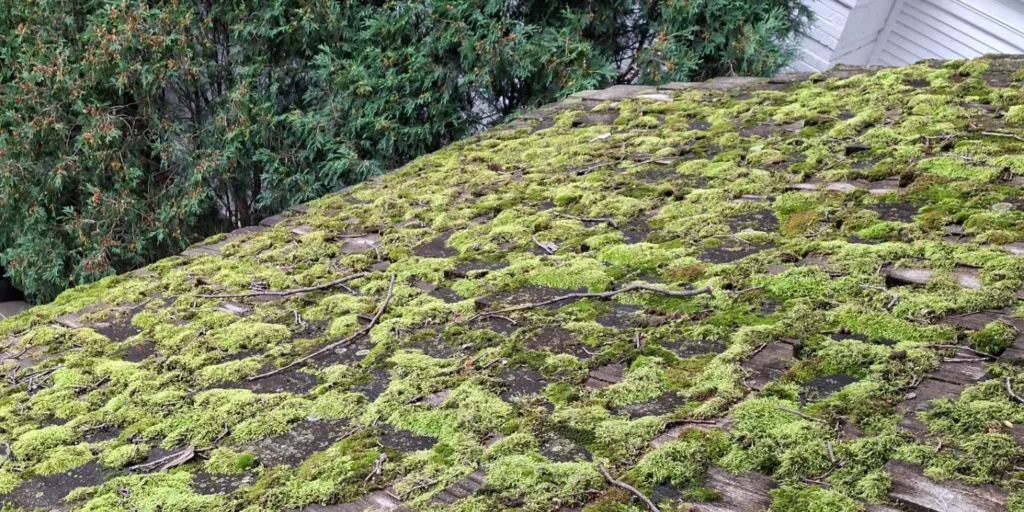
Synthetic roof tiles are also often touted as the “ideal” material in terms of resistance to moisture and, at the same time, to microorganisms such as mold or fungi. Looking at their construction, their resistance can indeed be very good, because water does not penetrate the material in the same way as it does wood or porous concrete—so it does not cause swelling, delamination, or biological degradation. Brava and DaVinci roof tiles are made of synthetic materials, so they could be designed from the outset to prevent water from causing degradation. It is important to note, however, that this resistance applies to the material itself but does not provide 100% protection for the entire roof. Microorganism growth can occur not only due to roof covering failure but also due to improper ventilation or moisture retention beneath the covering.
Lifespan
Manufacturers claim that the lifespan of synthetic roof tiles is approximately 50 years, and sometimes longer. Compared to other materials, this is a very good result. For example, traditional asphalt shingles typically last no more than 30 years, and wooden shingles 40 years. They are surpassed only by other niche solutions, such as metal or ceramic roofs; however, these are much more expensive, and metal—though its lifespan is claimed to be 40–80 years—is a rather risky choice given the severe hailstorms in Illinois and may have a shorter service life.
Warranty
When it comes to the warranty, both brands offer a very similar model. It covers manufacturing defects and premature deterioration, is very long-term (often a lifetime warranty), and is transferable to the next owner; however, it does not protect against the effects of weather or the natural aging of the material. It is also important to remember the requirement for proper installation, which plays a key role here—the warranty is valid only if the shingles are installed in accordance with the manufacturer’s official instructions. Otherwise, it is completely void. This risk arises mainly when installation is entrusted to an underqualified contractor.
Marketing Positioning of Products From Both Brands — How do They Differ?
DaVinci and Brava products compete in the same premium segment of synthetic roof tiles, while being priced very similarly. While their products offer many of the same benefits, the two brands position themselves somewhat differently in the marketplace. For example, Brava places great emphasis on the realistic appearance of its products and often highlights their eco-friendly aspects—Brava shakes are made from recycled materials and can themselves be recycled at the end of their useful life. DaVinci, on the other hand, builds its market position on brand recognition, a long history, and a positive reputation for product durability and resilience.
The Biggest Problem with Brava and DaVinci Synthetic Roof Tiles
The Importance of Installation
The most frequently discussed topic when it comes to Brava or DaVinci roof tiles is the issue of proper installation. The fact is that every type of roofing material has its own installation requirements, but it turns out that in the case of synthetic roof tiles, proper installation is absolutely crucial to their lifespan. Improperly installed synthetic roof tiles can start showing problems after just a few years of use.
So if the installation crew installs them like regular roof tiles or tries to speed up the work at the expense of precision, the risk of leaks, warping, and aesthetic issues increases dramatically. You must remember that in such a scenario, neither the warranty nor insurance will cover the repair costs.
Although the tiles may seem like a simple “click-and-go” product, in reality there are a number of mistakes that can be made during installation:
- Failure to accurately measure the roof surface before starting work – even at the very beginning—can set the entire project on the wrong track. This situation forces the crew to make cuts in the wrong places, which later compromises the roof’s waterproofing and appearance.
- Installation on an uneven or poorly prepared surface – synthetic roof tiles are highly susceptible to stress caused by a curved roof frame or uneven battens. Deformations, localized cracks, and leaks can appear shortly thereafter.
- Overly tight fastening with no room for material movement – synthetic tiles expand and contract with temperature changes, so screwing them in too tightly without proper installation clearance leads to warping, cracking around fastening holes, or torn-out interlocking tabs.
- Use of improper screws, clips, or nails – using fasteners not recommended by the manufacturer can cause micro-damage to the material, corrosion of the fasteners, or loss of the roofing’s stability. As a result, the roof loses its watertightness much more quickly.
- Overheating the material during installation – cutting with an angle grinder or working in high temperatures—can damage the synthetic material’s structure, melt the edges, and weaken its UV resistance. Polymer composites are sensitive to excessive heat during processing, so such actions can be disastrous for them.
- Lack of adequate roof ventilation – insufficient airflow beneath the roofing causes overheating and moisture buildup in the roof layers. Under such conditions, synthetic shingles deform more quickly and lose their performance characteristics.
- Sloppy installation of flashings around valleys, chimneys, and eaves – these areas are particularly sensitive for any roofing material, but with synthetics, the accumulation of heat and water is also a problem. In areas near chimneys or valleys, the roof heats up more, and the composite material undergoes thermal stress—if installed improperly, the tiles may be constantly under tension, bent, or rubbing against fasteners and flashings. Over time, this leads to deformation, weakened edges, and greater susceptibility to cracking or warping.
- Walking on the roof improperly – Point loading, standing on edges, and failing to distribute weight can damage the interlocking joints and the surface of the tiles. This is particularly important for synthetic materials, as localized damage can then “worsen” with each passing season.
Installing synthetic roof tiles is simply difficult and complex. Working with this material requires exceptional attention to detail and cannot be treated like installing asphalt or cedar shingles. As a result, roofers cannot assign just anyone to the job; they should focus on their most experienced workers. This naturally affects labor costs, as the work is technically demanding and time-consuming. As you can see above, there are truly many potential mistakes, so if you end up with a contractor who is not fully prepared for the job, your roof—and subsequently your wallet—could definitely suffer just a few years after installation.
What Else Do Homeowners Complain About?
There are a few minor issues faced by homeowners who have DaVinci and Brava products on their roofs. It’s worth noting, however, that these are usually very rare and experienced by a small minority.
Issues With Brava Roof Tiles
When comparing user reviews, it’s very easy to see that Brava performs much better than DaVinci. Reports of product issues are isolated, and it’s hard to find a recurring theme.
You may come across the opinion that Brava roof tiles fade faster than expected based on the manufacturer’s claims. Of course, there is a chance that under harsh conditions the material will lose its UV resistance more quickly; however, given the significant importance of installation quality and the very small number of reports of fading, there is a good chance that those reporting such issues were simply victims of underqualified contractors. As I mentioned earlier, certain installation errors can significantly affect the material’s UV resistance.
On the other hand, there are reports that Brava roof tiles are packaged while still hot, which could explain their reduced durability. However, if this were a widespread issue, every roof with Brava tiles would be faded. That is why it is difficult to assess to what extent this is a problem with the product in general, a single batch, or whether it is due to improper installation.
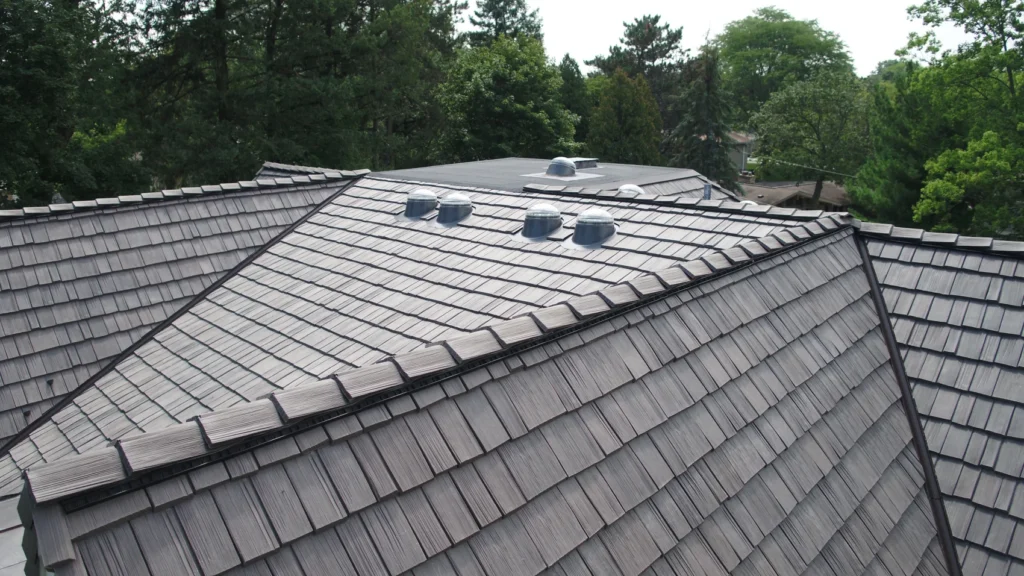
Another criticism directed at Brava is the “plastic” appearance of the roof. Many people believe that up close, the roof looks very synthetic, and its sheen betrays the artificiality of the material. Here, too, it is impossible to reach a definitive conclusion—aesthetics are a highly subjective matter, and the appearance of roofs covered with Brava tiles may appeal to some or not. As I mentioned earlier, design is not this company’s strongest suit, and for a better imitation of other materials or simply a premium look, it’s worth considering DaVinci roof tiles.
Problems with DaVinci Roof Tiles
When it comes to user reviews of DaVinci, there are several recurring themes. The most common one is the premature cracking and detachment of tiles from the Bellaforte series. Many people complaining about this issue assure that the tiles were installed by certified contractors. This issue is no longer relevant—in 2023, DaVinci discontinued production of the Bellaforte series precisely because of problems with tiles falling off. Those who experienced this problem received a new product under warranty.
Another issue, often linked to the previous one, was very poor customer service. Around 2023, many people reported that their complaints went unanswered for several months or were simply dismissed as a “cosmetic issue” (which, as it later turned out, was not true). One can only speculate that this might have been caused by the sheer scale of the issue with the Bellaforte series. However, this cannot be taken for granted—there are accounts from people who did not use Bellaforte roof tiles and tried to contact customer service regarding other issues, yet were also brushed off.
Unfortunately, this issue has not been fully resolved, as you can still find people online who have been trying to reach a resolution with the company for many months. Such stories undermine trust in the brand and, despite the quality of the product, raise doubts.