
A storm, hail, or tornado can leave your roof badly damaged, and fixing it fast feels urgent. In that rush, many homeowners fall for companies that suddenly appear in the neighborhood right after the disaster. These outfits are known as “storm chasers.” They promise quick repairs and say they’ll handle the insurance claim, but in reality their work often comes with big risks.
Who Are Storm Chasers in Roofing?
In roofing, storm chasers are traveling contractors who show up wherever severe weather has caused major damage. As soon as the storm, hail, or hurricane passes, they move into the area and start offering “quick help” to homeowners.
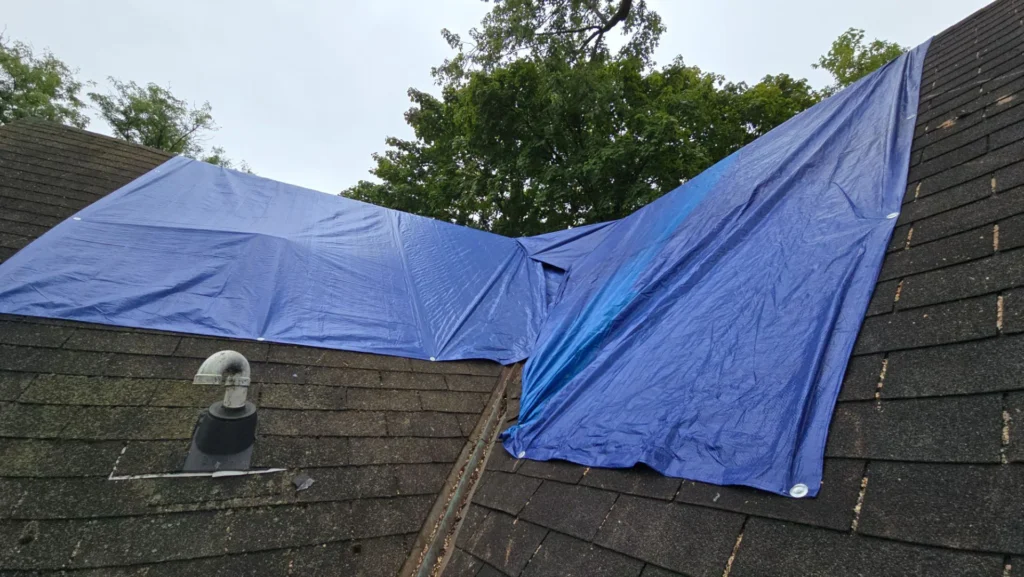
These companies are known for promising fast repairs and claiming they’ll deal directly with your insurance company. At first, that might sound like the perfect solution – these contractors boast with short lead time and customer’s convenience. But in reality, storm chasers often use shady tactics, skip warranties, and do poor-quality work that ends up costing you more in the long run.
When choosing a contractor, it’s important to look at their experience, their reputation in the local community, and how they handle contracts. Those are the key factors that separate a trustworthy roofer from a storm chaser.
Why Do Storm Chasers Show Up After Big Storms?
Storms, hail, and hurricanes create the perfect opportunity for storm chasers. Severe weather often leaves behind sudden, serious damage that pushes homeowners to act fast. In that stressful moment, it’s easy to believe promises of quick repairs – especially when a company says they’ll handle the insurance paperwork for you.
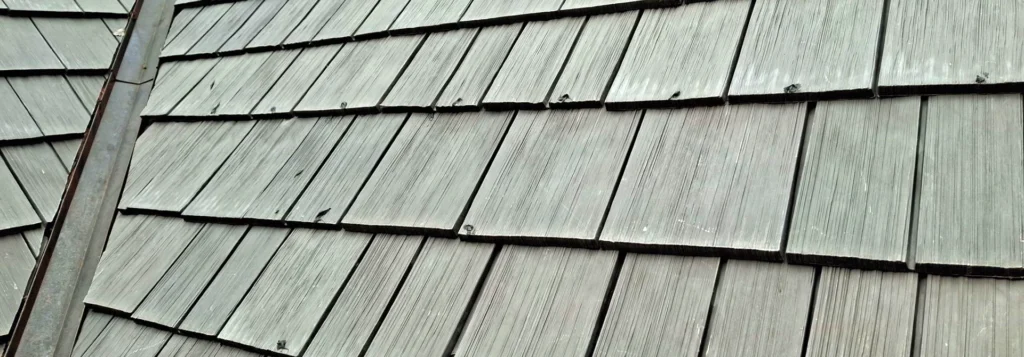
But the true cost of a roof repair depends on many factors: the materials used, the size of your roof, and the extent of the damage. Those are the details that should guide your choice of contractor, not just the promise of a “fast and free” fix. Reliable local companies focus on quality and transparency because they want long-term relationships with their customers. Storm chasers, on the other hand, care only about quick profit.
How Do Storm Chasers Really Work?
Storm chasers follow the same playbook every time: move in fast after a storm, grab as many jobs as possible, and leave before anyone can hold them accountable. Here’s what usually happens:
- They show up right after the storm. They track weather reports and rush to the hardest-hit neighborhoods.
- They go door to door. According to some homeowners, they offer free inspections and stress how urgent the repairs are.
- They make big promises. Quick fixes, “no cost to you,” and direct insurance billing.
- They pressure you to sign on the spot. No time to compare bids or check reviews.
- They cut corners. Cheap materials, unskilled labor, and rushed jobs.
- They disappear. Once the work is done, they move on — leaving no warranty and no way to reach them.
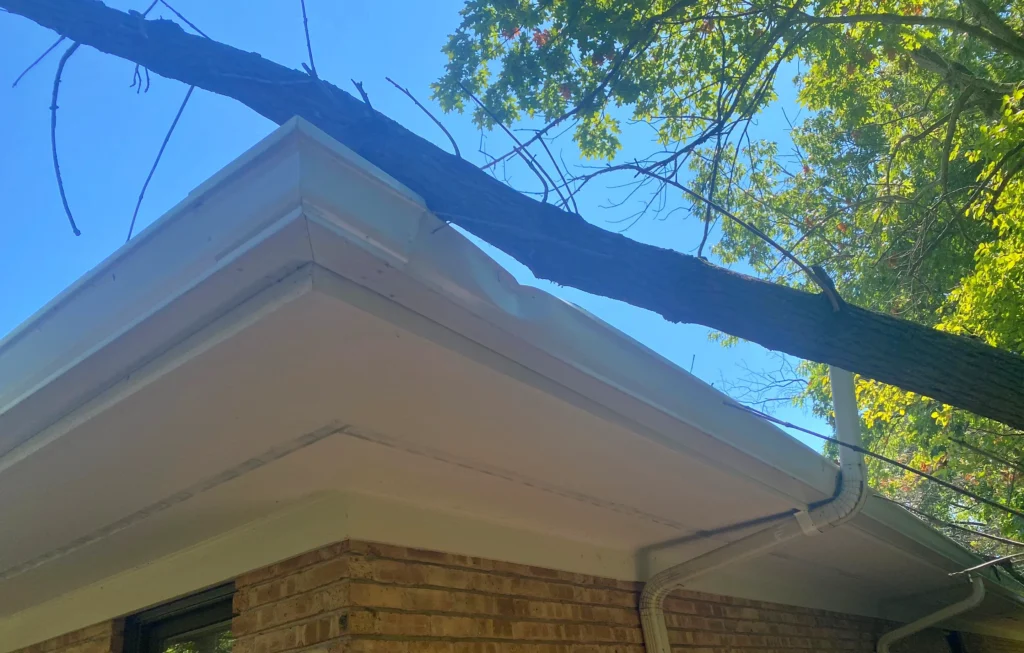
This approach lets storm chasers make quick money, but it usually leaves homeowners with bigger problems. The repairs rarely last, and roof issues often come back even worse than before.
How Do Storm Chasers Differ from Local Roofers?
At first, storm chasers might look like regular roofing companies. But there are big differences that affect the safety and durability of the work:
- Local presence. Trusted roofers have been in the community for years and rely on their reputation. Storm chasers only show up for a season and then disappear.
- Warranty and service. A reliable company stands behind their work and returns if problems come up. Storm chasers don’t.
- Quality of materials. Local pros use proven suppliers and products suited to the region. Storm chasers go with the cheapest substitutes.
- Customer relationships. Local roofers are your neighbors and care about referrals. Out-of-town crews don’t.
- Pricing and contracts. Honest contractors explain costs clearly. Storm chasers often use pressure tactics and vague agreements.
Homeowners should pay close attention to warning signs like pushy sales tactics or reluctance to sign a clear contract. These red flags often point to an incompetent roofing contractor—one you’re better off avoiding.
The Most Common Risks for Homeowners
At first, working with storm chasers can look like a quick fix after unexpected damage. But in reality, it often ends in disappointment and extra costs.
Their repairs are rushed and done with cheap materials that don’t last. Many storm chasers skip offering a solid warranty, so when leaks or damage come back, the homeowner is stuck paying for more repairs. Hidden costs are another big issue—an attractive low estimate often jumps once the work starts. On top of that, sloppy or incomplete damage reports can create headaches when filing an insurance claim.
Storm chasers cut costs where they absolutely shouldn’t, while a smart homeowner should know where it’s really safe to save money during a roof replacement. That kind of negligence has consequences: small issues turn into big ones, and quick fixes often cost far more in the long run than hiring a reliable roofer from the start.
Why Are Storm Chasers So Good at Getting Customers?
Storm chasers know exactly how to play on homeowners’ emotions right after a storm. A damaged roof or flooding feels like an emergency, and every hour counts. Under that kind of pressure, many people don’t take the time to compare offers.
These crews move fast — they knock on doors, hand out flyers, and show up with contracts ready for you to sign on the spot. Their promises of quick repairs and “no-hassle” insurance claims sound like a lifesaver in the moment. That’s why so many homeowners agree to their services before checking out other, safer options.
The Hidden Damage Storm Chasers Don’t Fix
Storm chasers focus on quick profits, so they go after jobs that are easy to price and bill to insurance. Roof repairs are perfect for them — they’re expensive, visible, and bring in fast contracts. However, we can assure you, that the cheapest possible underlayment would be used for your project. Nobody will also care about use of durable and color matching caulking or about sealing the ridge vent. Your new roof will look fine, but it won’t be a long-term solution.
Less obvious issues, like leaking gutters or drainage problems, are often ignored as well. These take more time to diagnose and don’t pay as quickly. As a result, homeowners end up with only part of the damage repaired, while the missed problems later turn into serious issues like water-damaged walls or weakened foundations.
That’s why it’s so important not to stop at just checking the roof after a storm. Make sure to inspect the whole system and know for example when to call gutter repair services. Installing gutter guards can also be a smart move, lowering the risk of future clogs and saving you money on repairs down the road. It’s also worth spending some extra money to check the thermal insulation – neglecting it may result in mold growth in the attic and rising energy bills.
How to Protect Yourself from Storm Chasers?
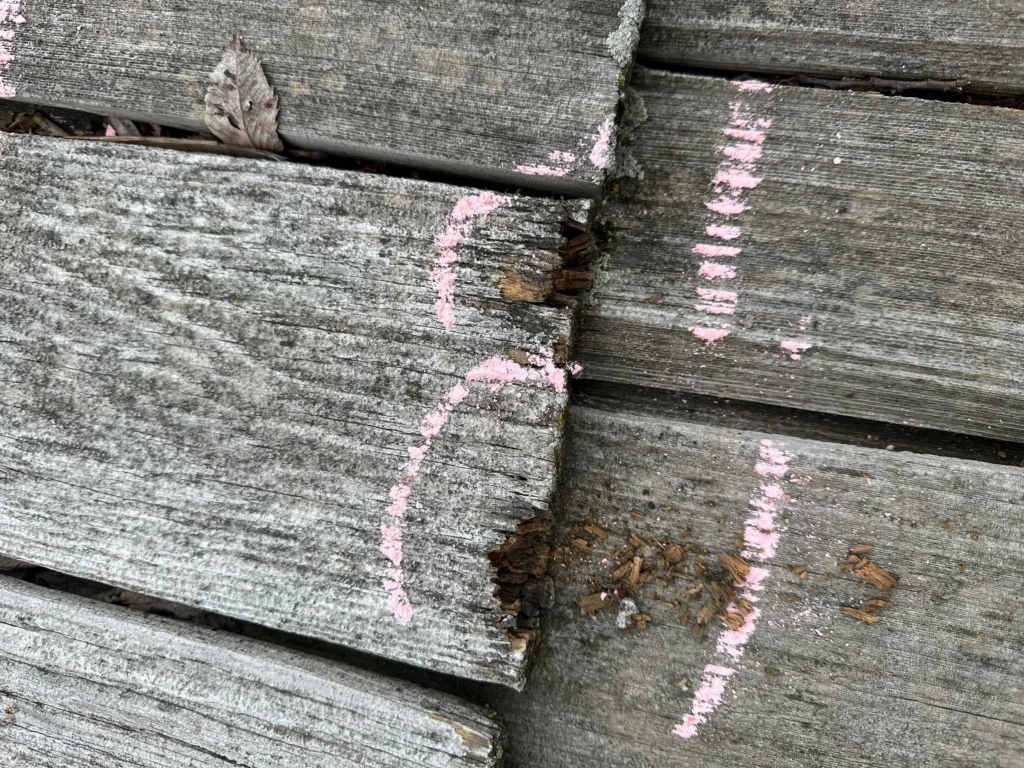
The most important thing is common sense. After a storm, it’s easy to panic and grab the first offer that comes to your door. But rushing is exactly what storm chasers count on.
Unless the rain falls directly on the floor in your living room, take your time to compare a few estimates, check reviews, and make sure everything you agree on is written into the contract. It’s also a smart move to get a professional hail damage inspection. This gives you a clear picture of the damage and the paperwork you’ll need for your insurance claim.
By doing this, you’ll have peace of mind knowing the repairs will be done properly — and you won’t fall victim to a storm chaser trying to take advantage of a tough situation.
Summary
Storm chasers are companies that show up wherever storms cause the most damage. They prey on stress and panic, offering fast repairs and “hassle-free” insurance claims. In reality, that often means poor workmanship, no warranty, hidden costs, and extra problems with your insurance payout. They chase the quick money—usually roofing — while ignoring other damage that can later turn into serious and expensive issues.
That’s why the smartest thing you can do after a storm is slow down and use common sense. Don’t jump at the first offer. Take time to compare estimates, read reviews, and make sure every detail is in writing. Getting a professional inspection is also key—it gives you a clear picture of the damage and the documentation your insurance company will need. This is how you protect not just your home, but also your wallet, from the costly mistakes that come with hiring storm chasers.